I remember the moment I first understood that artificial intelligence was not just a technical challenge. It was a human one. I was sitting in a coffee shop, scrolling through a news article about an AI hiring tool that had systematically downgraded resumes from women. The system was not programmed to be sexist. It had learned bias from historical data that reflected decades of discriminatory hiring practices. The technology was doing exactly what it was designed to do. The problem was that what it was designed to do was deeply unfair.
That realization changed how I think about AI. It is no longer enough to ask whether a system works. We must ask whether it works fairly, transparently, and in ways that respect human dignity. The ethical dimensions of artificial intelligence affect everyone, from software engineers and business leaders to job seekers, patients, and citizens. Understanding these dimensions is not optional. It is essential for building a future where technology serves humanity rather than diminishing it.
This article explores the core ethical challenges of AI, their real-world impact on people and communities, and practical approaches to building more responsible systems. Whether you work in technology, policy, education, or simply live in a world increasingly shaped by AI, this guide will help you think critically about the moral questions we all face.
Why AI Ethics Deserves Our Full Attention
Artificial intelligence is unique among technologies in its capacity to scale both benefits and harms. A biased decision made by one human manager affects a handful of job applicants. A biased algorithm deployed across a national hiring platform can affect millions. The speed and scale of AI make ethical failures more consequential than ever before.
I have spoken with data scientists who describe the pressure to ship models quickly, sometimes at the expense of thorough bias testing. I have interviewed job applicants who discovered they were rejected by algorithms they could not question or appeal. I have read about communities where predictive policing systems concentrated law enforcement in already over-policed neighborhoods. These are not abstract concerns. They are lived experiences.
The good news is that awareness of AI ethics is growing. Governments are drafting regulations. Companies are hiring ethics officers. Researchers are developing tools to detect and mitigate bias. But awareness alone does not solve problems. We need practical frameworks, accountable institutions, and informed citizens who demand better.
Bias and Fairness: When Algorithms Reflect Our Worst Habits
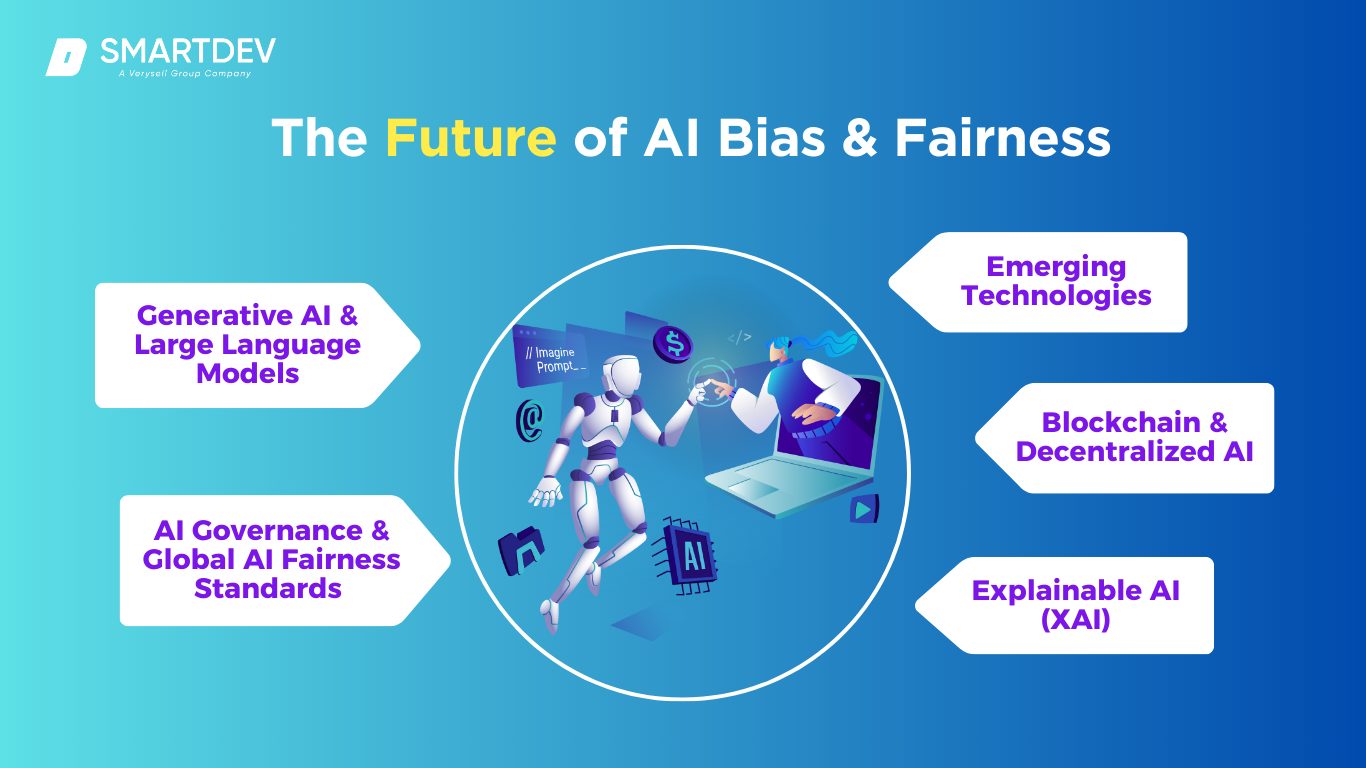
One of the most thoroughly documented ethical challenges in AI is algorithmic bias. Machine learning models learn from data, and data often encodes historical prejudices. When those models are deployed in hiring, lending, criminal justice, and healthcare, they can perpetuate or even amplify existing inequalities.
How Bias Enters AI Systems
Bias can enter at multiple stages. Training data may underrepresent certain groups. Feature selection may inadvertently proxy for protected characteristics like race or gender. Model optimization may prioritize overall accuracy while sacrificing fairness for minority populations. Even well-intentioned developers can produce biased systems if they do not actively look for these issues.
Real-World Consequences
The consequences are measurable and severe. Studies have shown that facial recognition systems perform significantly worse on darker-skinned individuals. Lending algorithms have been found to charge higher interest rates to minority borrowers with equivalent credit profiles. Healthcare prediction models have underestimated the needs of Black patients because they used healthcare spending as a proxy for health, ignoring systemic barriers to care.
I spoke with a civil rights attorney who described her work challenging algorithmic decisions as a new frontier in discrimination law. The cases are complex because the bias is often buried in code and data rather than stated explicitly. Proving harm requires technical expertise that many affected communities do not have access to.
Paths to Fairer Systems
Addressing bias requires both technical and social solutions. On the technical side, researchers have developed fairness metrics, bias auditing tools, and techniques for debiasing training data. On the social side, diverse development teams, community engagement, and independent oversight are essential. No single approach is sufficient. Fairness is a continuous process, not a one-time fix.
Transparency and Explainability: The Right to Understand
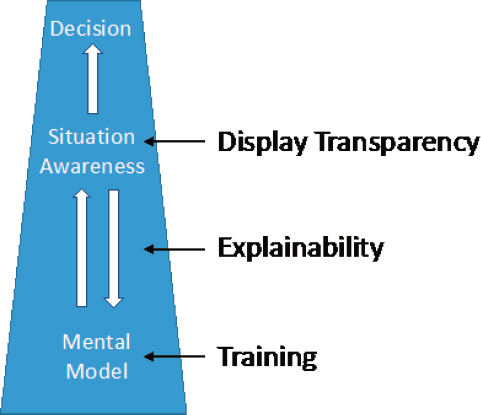
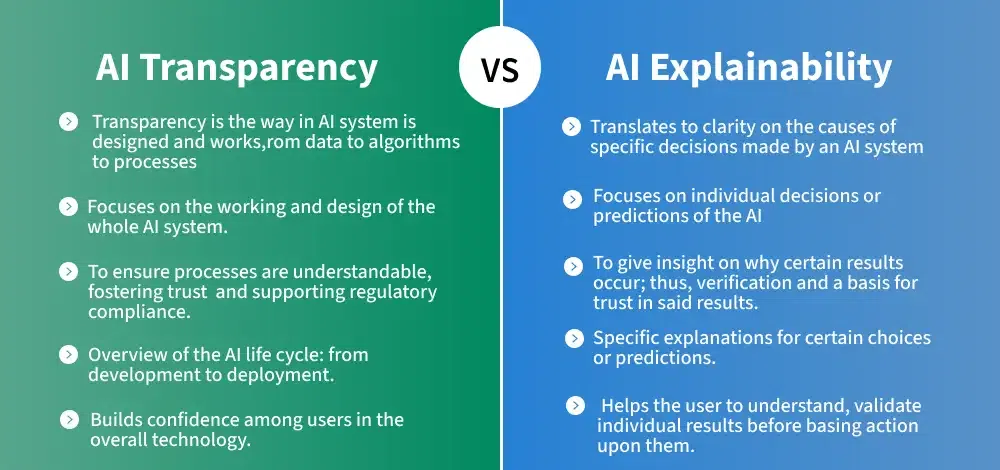
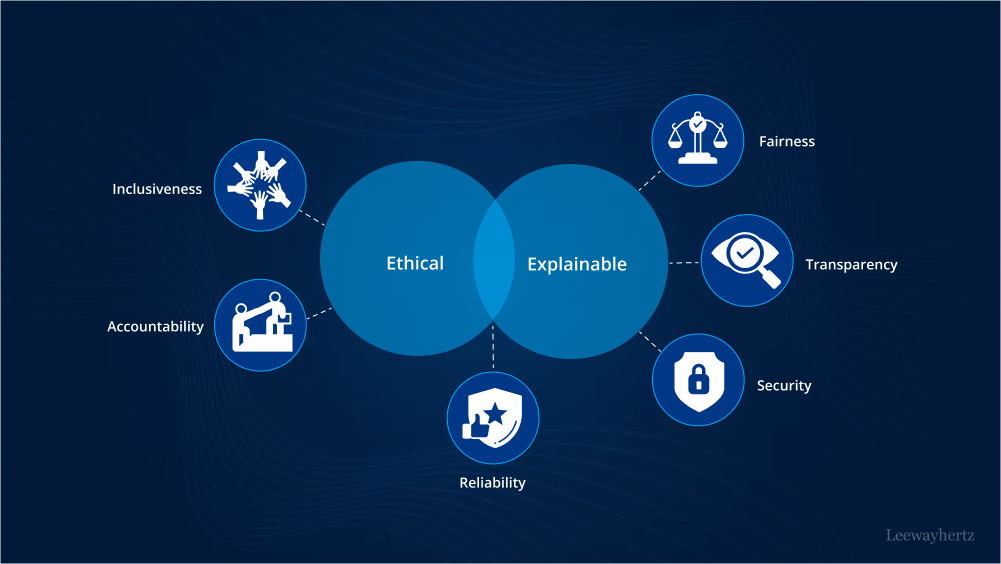
When an AI system denies your loan application, diagnoses your illness, or flags you as a security risk, you have a right to understand why. Transparency and explainability are not just technical features. They are foundations of trust, accountability, and justice.
The Black Box Problem
Many modern AI systems, particularly deep learning models, are notoriously difficult to interpret. They may produce accurate predictions, but the reasoning behind those predictions is opaque even to their creators. This creates what researchers call the black box problem. When decisions affect human lives, opacity is not merely inconvenient. It is dangerous.
Why Explainability Matters
Explainability serves multiple purposes. It helps users understand and contest decisions. It helps developers debug and improve systems. It helps regulators verify compliance. It helps society as a whole evaluate whether AI is being used appropriately. Without it, accountability becomes impossible.
I experienced this personally when a credit monitoring service flagged my account for unusual activity. The alert was generated by an AI system, but when I called to understand what triggered it, the representative could not tell me. The system had decided, and no human could explain the reasoning. The experience was unsettling and left me with no way to prevent future false alarms.
Approaches to Building Transparent AI
The field of explainable AI has grown rapidly. Techniques include generating natural language explanations for model decisions, visualizing which input features influenced a prediction, and designing inherently interpretable models for high-stakes applications. The best approach depends on the context. A medical diagnosis system may require detailed explanations for doctors. A content recommendation system may need only general transparency about how suggestions are generated.
Privacy and Data Protection: Who Owns Your Digital Self?
AI systems are hungry for data. The more data they consume, the better they often perform. But that data frequently includes sensitive personal information, behavioral patterns, and intimate details of people’s lives. The ethical challenge is to harness data for innovation while protecting individual privacy and autonomy.
The Scale of Data Collection
Modern AI applications collect data at unprecedented scales. Smartphones track location and usage patterns. Smart home devices record audio and video. Social media platforms analyze relationships, preferences, and emotional states. Healthcare systems digitize medical records. Much of this collection happens with minimal meaningful consent, buried in terms of service agreements that almost no one reads.
Risks of Data Misuse
Beyond the obvious risks of identity theft and surveillance, AI-specific risks include re-identification of anonymized data, inference of sensitive attributes from seemingly innocuous information, and the creation of detailed behavioral profiles that can be used for manipulation. I have seen marketing materials from data brokers that claim to predict psychological traits, political leanings, and purchasing vulnerability from online behavior. This is not science fiction. It is happening now.
Building Privacy-Preserving AI
Solutions are emerging. Differential privacy adds mathematical noise to datasets to prevent individual identification. Federated learning trains models on decentralized data without centralizing sensitive information. Homomorphic encryption allows computation on encrypted data. These techniques are promising but not yet universally deployed. Strong legal frameworks, like the European Union’s General Data Protection Regulation, provide important protections, but enforcement remains uneven globally.


Job Displacement and Economic Impact: The Human Cost of Automation
Perhaps no AI ethics topic generates more public anxiety than the fear of job displacement. Stories about robots replacing workers resonate because they touch on fundamental human needs for purpose, income, and dignity.
What the Evidence Actually Shows
The reality is more nuanced than headlines suggest. AI and automation have indeed eliminated some jobs, particularly those involving routine physical and cognitive tasks. However, they have also created new roles in AI development, data analysis, and human-machine collaboration. The challenge is not total job elimination but job transition. Workers displaced from one sector may not have the skills or geographic mobility to fill openings in another.
I visited a manufacturing plant where collaborative robots worked alongside human workers rather than replacing them. The robots handled repetitive lifting and precision tasks. Humans managed quality control, problem-solving, and customer relations. Productivity increased, injuries decreased, and workers reported higher job satisfaction. This model suggests that displacement is not inevitable. It is a choice shaped by how we design and deploy technology.
Supporting Affected Workers
Ethical AI deployment requires attention to those who bear the costs of transition. This includes robust retraining programs, income support during transitions, and honest communication about which roles are at risk. Companies that deploy AI should consider the human impact as seriously as they consider the financial return.
The Deeper Question of Purpose
Beyond economics, job displacement raises questions about human purpose and identity. For many people, work is not just a paycheck. It is a source of structure, community, and self-worth. As AI reshapes labor markets, societies will need to rethink how they support human flourishing outside traditional employment models.


Social Impact and Community Well-Being: AI Beyond the Individual
AI ethics is not only about protecting individuals from harm. It is also about ensuring that AI contributes to healthy, thriving communities. The social impact of AI extends to education, healthcare, criminal justice, environmental sustainability, and democratic participation.
AI for Social Good
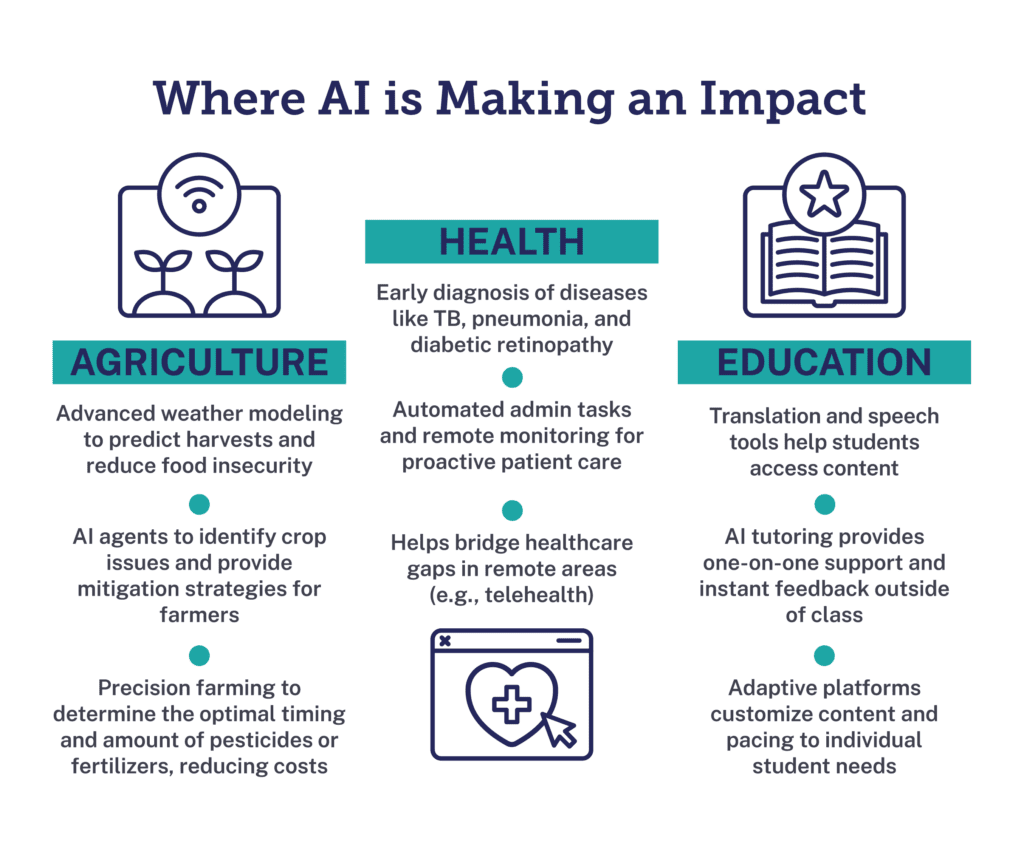
There are genuinely inspiring applications of AI for social benefit. Machine learning models help predict crop failures before they cause famine. Natural language processing preserves endangered languages. Computer vision assists in wildlife conservation. These applications demonstrate that AI can be a force for equity and sustainability when directed intentionally.
Risks to Social Cohesion
At the same time, AI poses risks to social cohesion. Algorithmic content curation can create echo chambers that polarize societies. Deepfake technology can undermine trust in media and democratic institutions. Predictive systems in criminal justice can reinforce cycles of incarceration in disadvantaged communities. The net social impact of AI depends heavily on who controls the technology and what values guide its deployment.
I participated in a community forum where residents expressed concern about a proposed AI-powered surveillance system for their neighborhood. Some saw it as a safety improvement. Others saw it as an invasion of privacy that would disproportionately target people of color. The debate revealed that the same technology can be perceived radically differently depending on one’s lived experience and trust in institutions.
Community-Centered Design
Ethical AI development should include the communities it affects. This means participatory design processes, community advisory boards, and mechanisms for ongoing feedback and redress. Technology imposed on communities without their input rarely serves their needs well.
Governance and Accountability: Building Systems of Responsibility
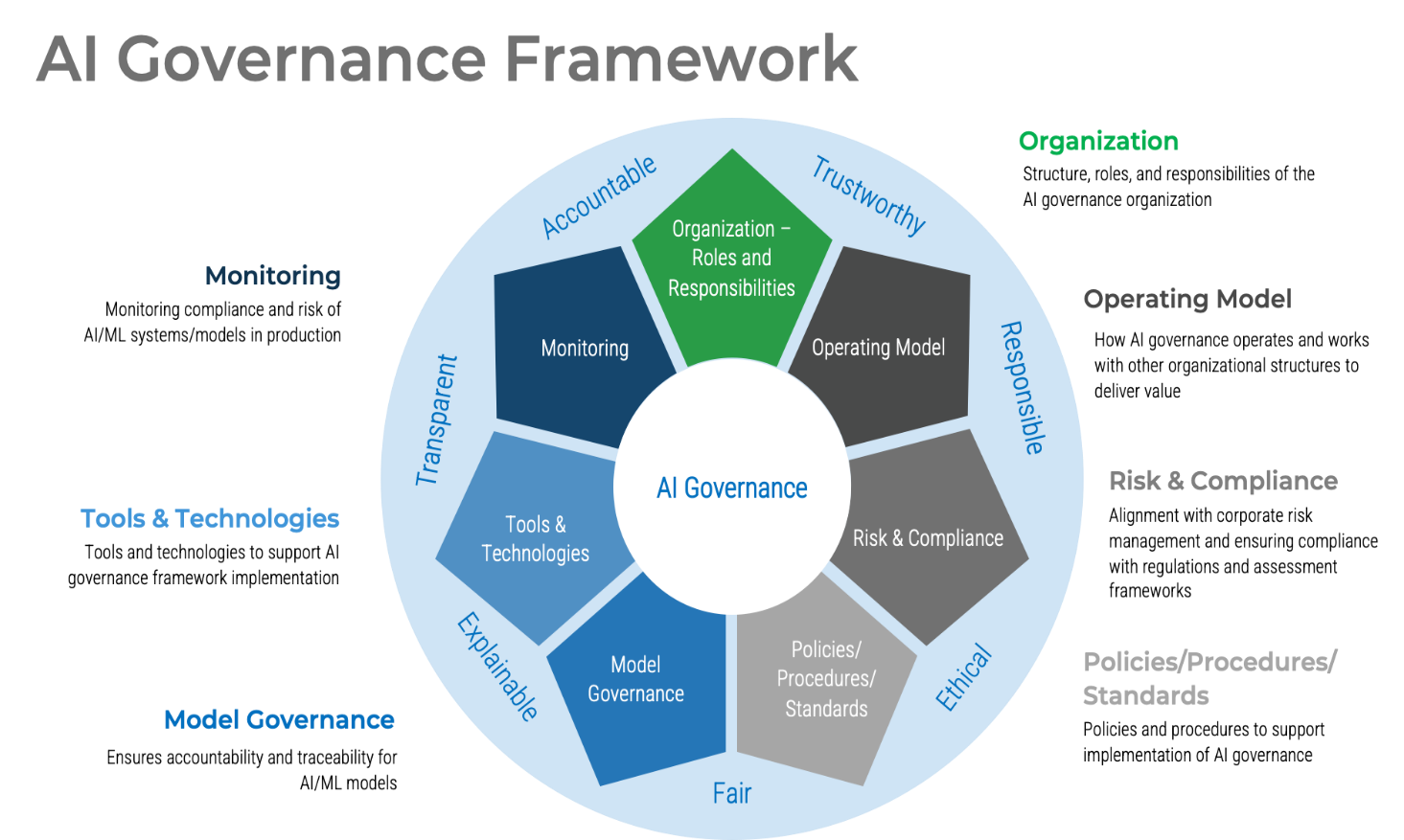
Ethical principles are meaningless without mechanisms to enforce them. AI governance encompasses the laws, institutions, standards, and corporate practices that hold developers and deployers accountable.
Emerging Regulatory Frameworks
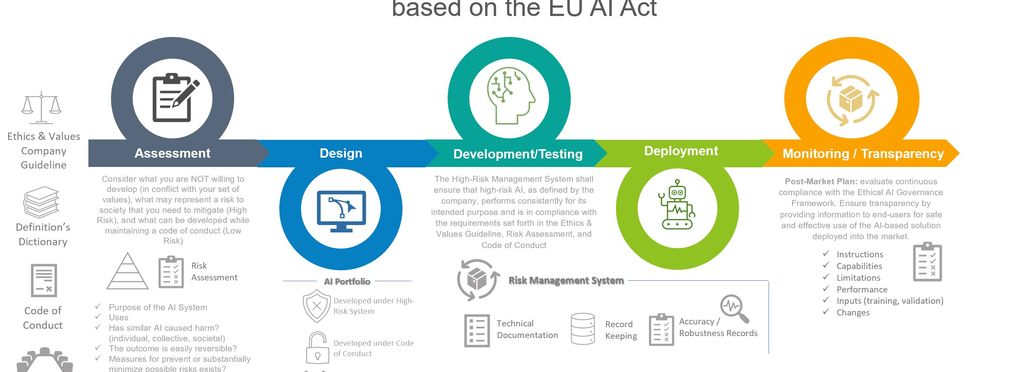
Governments around the world are developing AI-specific regulations. The European Union’s AI Act classifies systems by risk level and imposes strict requirements on high-risk applications. The United States has issued executive orders and agency guidance. China has implemented its own set of rules. These frameworks vary in scope and stringency, but they represent a growing consensus that AI cannot be left entirely to market forces.
Corporate Responsibility
Companies developing and deploying AI have ethical obligations that go beyond legal compliance. This includes establishing internal ethics review boards, conducting impact assessments before deployment, and creating channels for reporting concerns without retaliation. Some leading companies have published AI principles and transparency reports. The gap between stated principles and actual practice remains a concern that vigilant oversight can help address.
The Role of Individuals
Governance is not only a top-down process. Individual choices matter. Consumers can demand transparency and fairness from the services they use. Employees can raise ethical concerns within their organizations. Citizens can advocate for stronger protections through democratic processes. Collective action has historically been one of the most effective drivers of technological accountability.
Common Mistakes in Approaching AI Ethics
Even well-meaning efforts to address AI ethics can go wrong. Here are pitfalls I have observed.
Treating Ethics as a Compliance Checkbox
Some organizations view ethics reviews as obstacles to be cleared rather than genuine opportunities for reflection. This produces superficial assessments that miss real risks. Ethics should be integrated into the design process, not bolted on at the end.
Ignoring Power Dynamics
AI ethics discussions sometimes proceed as if all stakeholders have equal voice. In reality, affected communities often lack the technical knowledge, resources, or platform to advocate for themselves. Ethical practice requires actively amplifying marginalized voices.
Focusing Only on Technical Solutions
Bias cannot be fully eliminated by better algorithms alone. It requires examining the social structures that produce biased data and the organizational cultures that prioritize speed over fairness. Technical and social solutions must work together.
Assuming Universal Values
What is considered ethical varies across cultures and contexts. A fairness metric that works in one country may be inappropriate in another. Global AI governance must respect legitimate differences while upholding fundamental human rights.
Practical Steps for Engaging With AI Ethics
Whether you are a developer, a business leader, or a concerned citizen, here are concrete actions you can take.
Educate yourself about the specific risks in your domain. Healthcare AI raises different ethical questions than financial AI or criminal justice AI. Understand the stakes where you operate.
Ask hard questions before deploying or adopting AI. Who might be harmed? How will we know if the system is failing? What is our plan for redress? These questions should be part of every AI decision.
Support organizations that prioritize ethical AI. Your purchasing decisions, investment choices, and employment preferences can reward companies that take ethics seriously.
Participate in public conversations about AI policy. Regulatory frameworks are being written now. Your voice matters in shaping them.
Build diverse teams and advisory groups. Homogeneous teams are more likely to miss ethical blind spots. Diversity is not just a social good. It is a risk management strategy.
Frequently Asked Questions
Is AI inherently biased, or can it be made fair?
AI is not inherently biased, but it is inherently susceptible to bias because it learns from data that reflects human history and prejudices. With deliberate effort, including diverse data, careful testing, and ongoing monitoring, AI systems can be made significantly fairer. Perfect fairness may be impossible, but meaningful improvement is achievable.
Who is responsible when an AI system causes harm?
Responsibility is distributed across the AI lifecycle. Data collectors, model developers, deployers, and users all have roles. Legal frameworks are still evolving to assign liability clearly. The principle of accountability means that someone should always be answerable for AI decisions, even if the system itself is complex.
Can AI ethics slow down innovation too much?
Thoughtful ethics review can add time to development, but it often prevents costly failures, reputational damage, and regulatory penalties that would slow innovation far more. The goal is not to stop progress but to ensure that progress benefits society broadly.
How can individuals protect themselves from unethical AI?
Stay informed about the AI systems that affect your life. Read privacy policies, though imperfectly. Use privacy-preserving tools when available. Advocate for your rights. Support organizations that investigate and expose AI harms. Individual protection is necessary but insufficient without systemic change.
What is the most important ethical principle for AI?
Different frameworks emphasize different principles, but human dignity is foundational. Every other ethical consideration, fairness, transparency, privacy, accountability, ultimately serves the goal of ensuring that AI respects and enhances human flourishing rather than diminishing it.
Final Thoughts
The story of AI ethics is not a simple tale of heroes and villains, or of technology versus humanity. It is a complex, ongoing negotiation between innovation and values, efficiency and equity, progress and precaution. The choices we make today about how to develop, deploy, and govern artificial intelligence will shape the world for generations.
I no longer see AI ethics as a specialized concern for philosophers and policymakers. It is a civic responsibility for everyone who uses, builds, or is affected by these systems. That includes all of us. The coffee shop article about biased hiring algorithms was not an isolated incident. It was a symptom of a broader challenge that demands our sustained attention and action.
The path forward requires humility. We must acknowledge that we do not have all the answers, that our technologies are imperfect, and that the pursuit of efficiency must always be balanced against the preservation of human dignity. But it also requires hope. We have the tools, the knowledge, and the moral capacity to build AI systems that reflect our best values rather than our worst habits.
The question is not whether AI will shape our future. It already is. The question is whether we will shape AI in return, with the wisdom, courage, and compassion that ethical leadership demands.