
I remember the afternoon a friend who runs a small vineyard called me in frustration. She had spent months evaluating general-purpose business software, only to find that none of them understood the rhythms of winemaking. They could track inventory, but not grape maturity. They could manage payroll, but not seasonal labor patterns. They could generate reports, but not predict harvest yields based on weather data and soil sensors. She needed something built for her world, not adapted to it. That conversation introduced me to the quiet revolution happening in hyper-specialized AI tools.
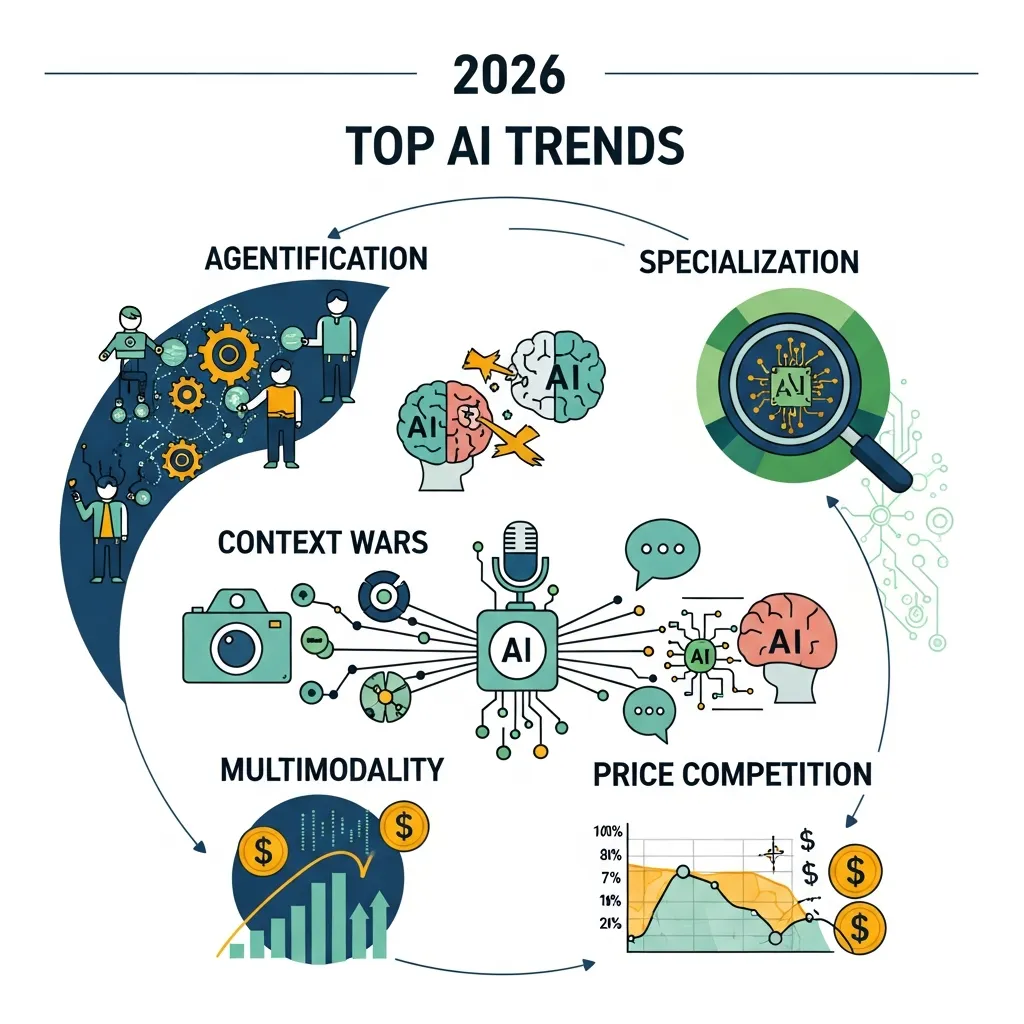
The first wave of artificial intelligence brought us generalists. Chatbots that could answer anything. Image generators that could visualize any concept. Writing assistants that could draft any document. These tools were remarkable, but they were also shallow. They knew a little about everything and a lot about nothing. The next wave is different. It is composed of AI systems trained on domain-specific data, governed by industry regulations, and designed to solve problems that only experts in narrow fields truly understand.
This article explores the rise of hyper-specialized AI tools, why they matter, where they are making the biggest impact, and how businesses and professionals can evaluate and adopt them. Whether you work in healthcare, law, agriculture, manufacturing, or any field with unique workflows and compliance requirements, this guide will help you understand the shift from general-purpose AI to precision intelligence.
Why General-Purpose AI Falls Short for Specialized Work
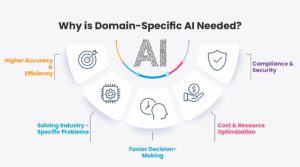
There is a common misconception that bigger is always better in AI. A model trained on the entire internet must know more than one trained on a single industry, right? Not necessarily. General-purpose models excel at breadth. They can write a poem, summarize a news article, and generate a marketing email. But when you ask them to interpret a medical scan, analyze a legal contract, or predict equipment failure in a specific manufacturing process, their performance often degrades.
I learned this firsthand while consulting for a dental practice. The team tried using a general AI assistant to draft patient communication. The results were grammatically correct but clinically dangerous. The AI suggested follow-up language that contradicted established protocols and used terminology that confused patients. The practice needed an AI tool that understood dental workflows, insurance codes, and patient anxiety, not one that had merely read about dentistry online.
The limitation is not intelligence. It is context. Specialized fields rely on tacit knowledge, regulatory frameworks, and domain-specific language that general models rarely capture with sufficient precision. Hyper-specialized tools fill this gap by narrowing their focus and deepening their expertise.
What Makes an AI Tool Hyper-Specialized
Hyper-specialization in AI is not just about adding industry keywords to a general model. It involves several distinct characteristics that separate niche tools from their general-purpose counterparts.
Domain-Specific Training Data
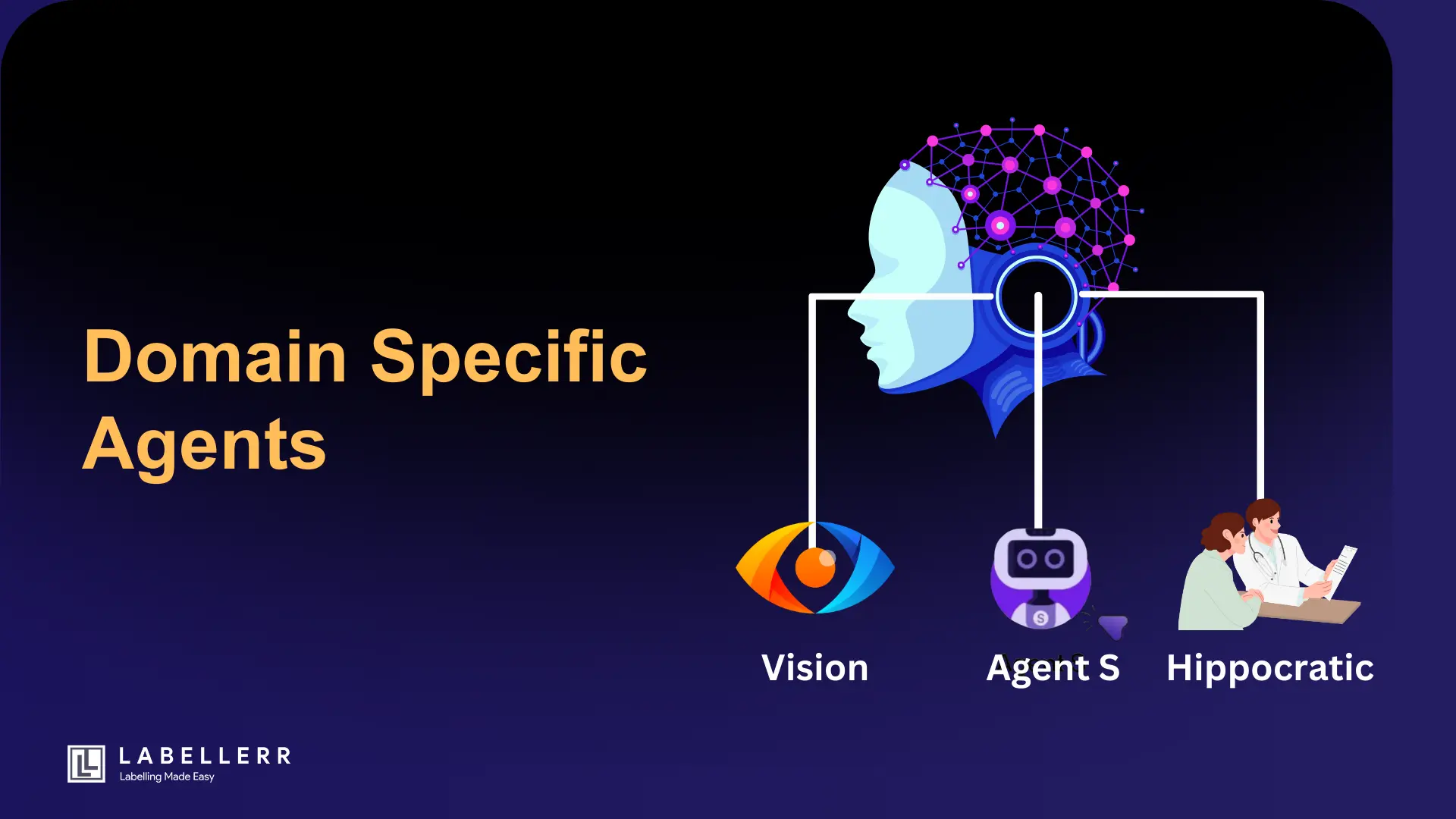
General models train on the open internet. Specialized models train on curated datasets that reflect the actual work of a profession. A legal AI tool might be trained on millions of court opinions, contracts, and regulatory filings. A medical AI tool might learn from de-identified patient records, clinical guidelines, and peer-reviewed research. This focused training produces outputs that align with professional standards and terminology.
Regulatory and Compliance Awareness
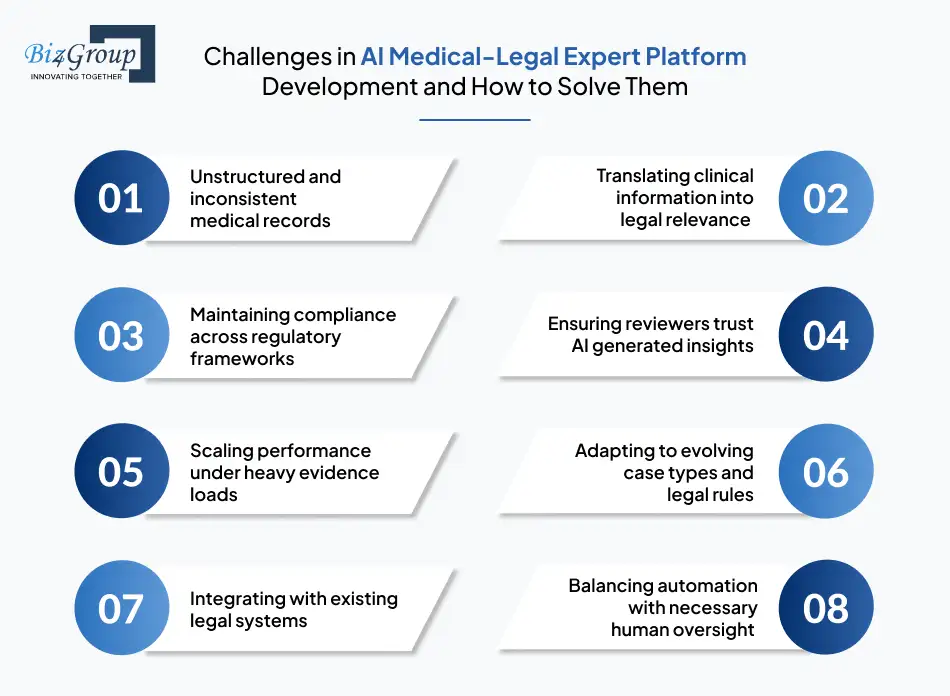
Many industries operate under strict regulatory frameworks. Healthcare must comply with patient privacy laws. Finance must adhere to anti-money laundering rules. Legal work is governed by attorney-client privilege and ethical standards. Hyper-specialized AI tools are built with these constraints in mind. They include guardrails that prevent unauthorized data sharing, audit trails for accountability, and outputs that respect professional boundaries.
Workflow Integration
A tool that exists in isolation creates friction. Specialized AI is designed to integrate with the software professionals already use. Legal tools connect to case management systems. Medical tools interface with electronic health records. Manufacturing tools feed data into existing maintenance platforms. This integration reduces adoption barriers and ensures the AI enhances rather than disrupts established workflows.
Human-in-the-Loop Design
High-stakes domains require human oversight. Hyper-specialized tools are built with this assumption. They do not present conclusions as facts. They offer recommendations, highlight uncertainties, and flag cases that require expert review. This collaborative design respects professional judgment while augmenting human capability.
Industries Where Hyper-Specialized AI Is Transforming Work
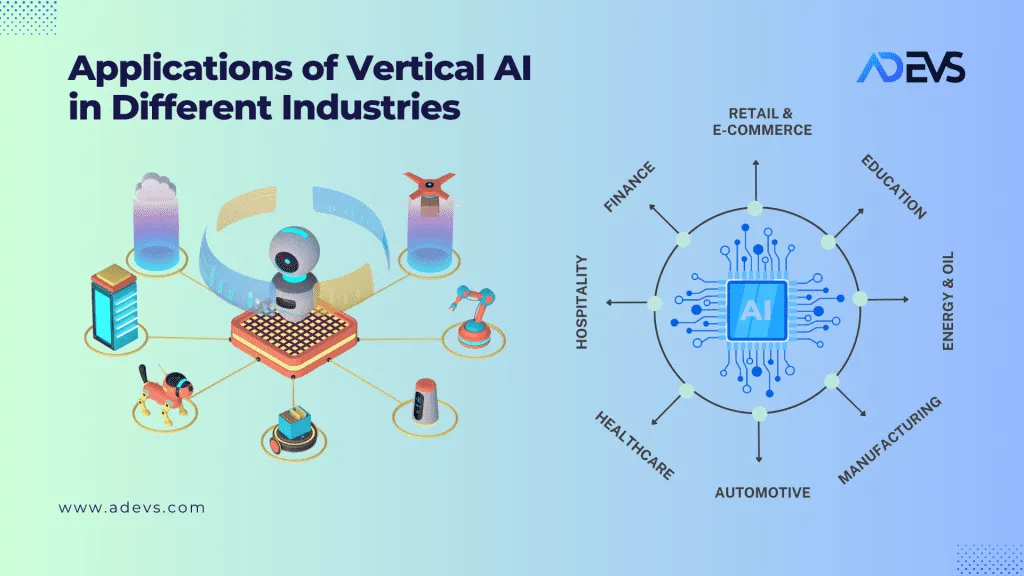
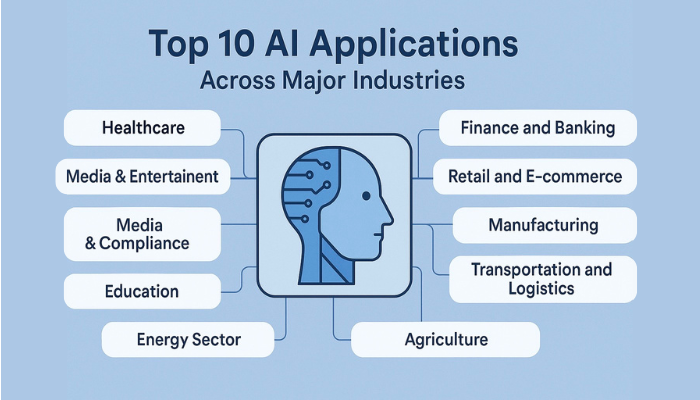
The impact of niche AI tools is already visible across multiple sectors. Here are some of the most significant areas of transformation.
Healthcare and Life Sciences
Medical AI has moved beyond experimental research into clinical practice. Specialized tools now assist radiologists in detecting anomalies on imaging, help pathologists analyze tissue samples, and support physicians in diagnosing rare diseases by matching symptoms against vast medical literature. These tools do not replace doctors. They act as second readers, catching details that fatigue or time pressure might cause a human to miss.
I spoke with a radiologist who described how an AI screening tool flagged a subtle lung nodule that she had initially overlooked on a busy Friday afternoon. The finding led to early intervention and a positive outcome. She emphasized that the tool was not infallible. It also generated false positives that required human filtering. But in her view, the combination of AI vigilance and human judgment produced better care than either could alone.
Pharmaceutical research is another frontier. AI tools specialized in molecular modeling can predict how compounds will interact with biological systems, dramatically accelerating drug discovery timelines. What once took years of laboratory trial and error can now be simulated in silico, allowing researchers to focus resources on the most promising candidates.
Legal and Compliance
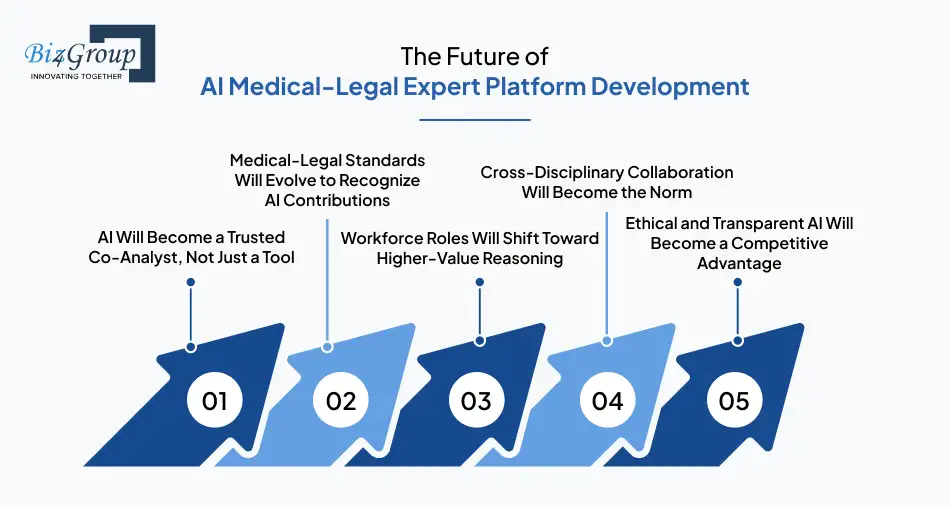
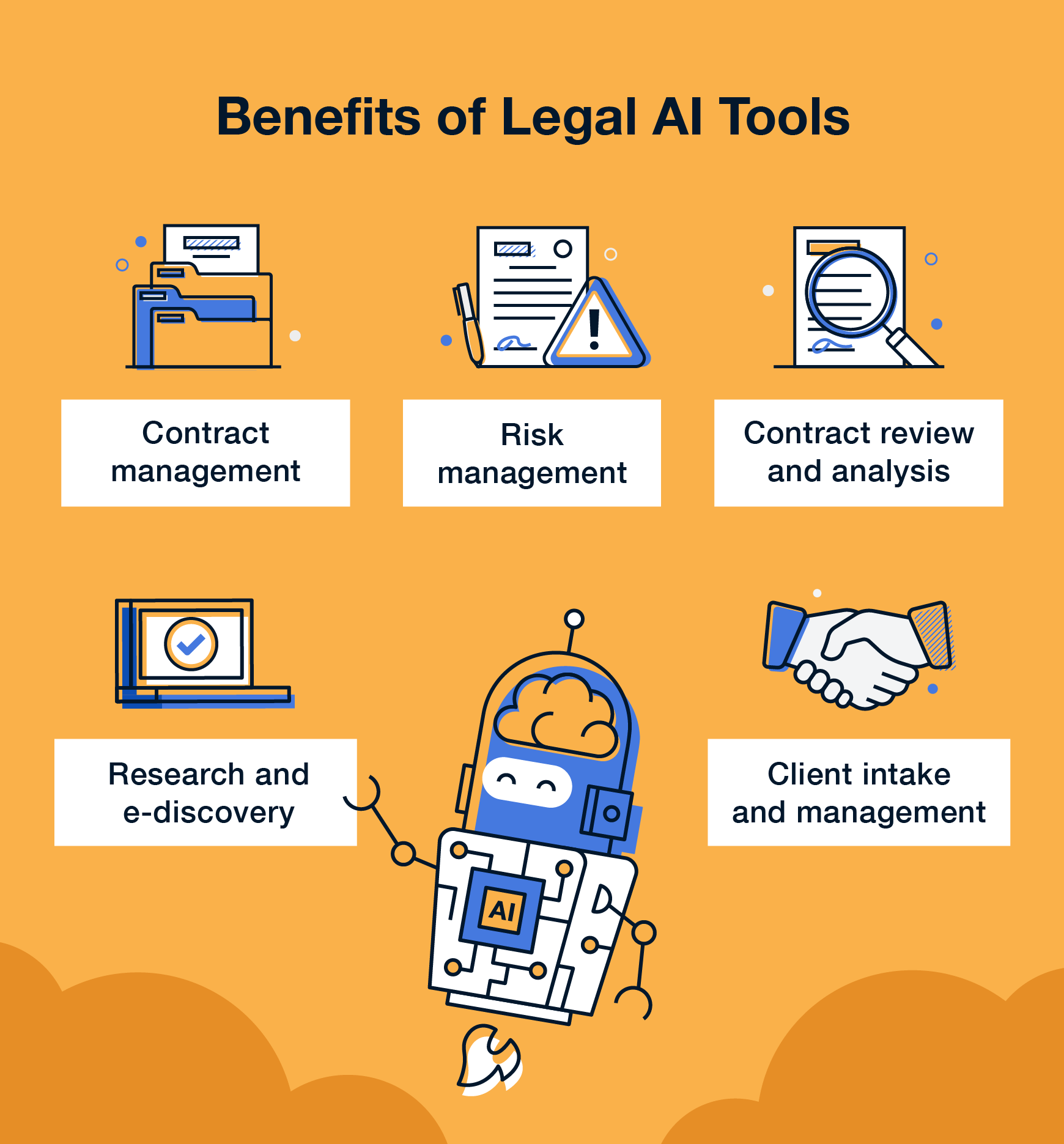
The legal profession has been surprisingly receptive to specialized AI, perhaps because the volume of documents and research required in modern practice has become unmanageable without assistance. Legal AI tools can review contracts for risky clauses, predict case outcomes based on historical precedents, and automate the discovery process by identifying relevant documents from massive archives.
A paralegal I interviewed described how contract review AI reduced her team’s review time by sixty percent. The tool did not eliminate the need for attorney review. It surfaced the most important issues first, allowing lawyers to focus their expertise where it mattered most. The result was faster turnaround for clients and less burnout for staff.
Compliance is another area where specialized AI shines. Financial institutions use AI tools to monitor transactions for suspicious patterns, generate regulatory reports, and ensure adherence to evolving rules. These systems must be explainable and auditable, requirements that general-purpose models often struggle to meet.
Agriculture and Food Production
Farming may seem far removed from artificial intelligence, but specialized agricultural AI is transforming how food is grown, harvested, and distributed. Precision agriculture tools use satellite imagery, soil sensors, and weather data to optimize irrigation, fertilization, and pest control at the level of individual fields or even individual plants.
My friend with the vineyard eventually found a specialized agricultural AI platform designed for viticulture. It integrated with her soil moisture sensors, weather station, and harvest records. The system could predict optimal harvest windows, recommend canopy management practices, and even estimate yield based on bud count and historical performance. She told me it felt like having a viticultural consultant available twenty-four hours a day.
Livestock management has seen similar advances. AI systems can monitor animal health through video and audio analysis, detecting early signs of illness or distress that human observers might miss. This early intervention improves animal welfare and reduces losses for producers.

Manufacturing and Industrial Operations
Manufacturing has long used automation, but AI is adding a new layer of intelligence. Predictive maintenance tools analyze vibration, temperature, and acoustic data from machinery to forecast failures before they occur. This prevents costly downtime and extends equipment life.
Quality control is another strong application. Specialized computer vision systems can inspect products at speeds and accuracies that exceed human capability, identifying defects invisible to the naked eye. One quality engineer described how an AI inspection system caught microscopic cracks in aerospace components that had previously slipped through manual checks.
Supply chain optimization tools use specialized models to predict demand, manage inventory, and route logistics based on industry-specific constraints. A general AI might suggest shipping routes, but a specialized tool understands port capacities, customs regulations, and perishable goods requirements.

Scientific Research and Academia
Researchers in fields from materials science to climate modeling are using hyper-specialized AI to accelerate discovery. Physics-informed neural networks can solve complex equations faster than traditional simulation methods. Genomic analysis tools can identify disease markers across vast genetic datasets. Climate models use specialized AI to process satellite and sensor data at scales impossible for human analysts.
A climate scientist I interviewed explained how specialized AI helped her team process decades of ocean temperature data in weeks rather than years. The patterns the AI identified informed new hypotheses about ocean current shifts, which the team is now testing through field research. The AI did not replace scientific method. It accelerated the hypothesis generation phase, allowing human researchers to focus on validation and interpretation.
The Architecture Behind Specialized AI
Understanding what makes these tools effective requires looking under the hood at how they are built and maintained.
Fine-Tuning and Domain Adaptation
Many specialized AI tools start with a general foundation model and then undergo fine-tuning on domain-specific data. This process adapts the model’s knowledge to the vocabulary, concepts, and patterns of a particular field. Fine-tuning requires high-quality labeled data, which is often scarce and expensive to produce. This is why specialized tools typically cost more than general-purpose alternatives.
Retrieval-Augmented Generation
Some specialized tools use retrieval-augmented generation, a technique where the AI retrieves relevant documents or data from a curated knowledge base before generating a response. This ensures that outputs are grounded in authoritative sources rather than general internet knowledge. For legal and medical applications, this approach improves accuracy and traceability.
Continuous Learning and Updates
Specialized fields evolve. Medical guidelines change. Regulations are updated. New case law is decided. Hyper-specialized AI tools must be regularly retrained or updated to remain current. This ongoing maintenance is a significant operational challenge and a key differentiator between mature vendors and those offering static, quickly outdated solutions.
On-Premises and Edge Deployment
For industries with strict data privacy requirements, cloud-based AI may be unacceptable. Specialized tools often offer on-premises or edge deployment options, allowing sensitive data to remain within organizational boundaries. This flexibility is essential for healthcare, defense, and certain financial applications.
Common Mistakes When Evaluating Specialized AI Tools
The promise of hyper-specialized AI is substantial, but so are the risks of choosing poorly. Here are mistakes I have seen organizations make repeatedly.
Confusing Marketing With Capability
Vendors often claim specialization based on minimal domain adaptation. A general model with a few industry keywords added is not a specialized tool. Evaluate whether the tool truly understands your workflows, terminology, and compliance requirements. Request demonstrations with your actual data, not polished marketing examples.
Ignoring Integration Costs
The purchase price of an AI tool is only part of the total cost. Integration with existing systems, staff training, data migration, and ongoing maintenance can exceed the software license fee. Build a realistic total cost of ownership model before committing.
Underestimating the Need for Human Oversight
Even the most specialized AI makes errors. Organizations that deploy these tools without maintaining human review processes risk costly mistakes. The goal is augmentation, not autonomy. Design workflows that preserve expert judgment at critical decision points.
Overlooking Vendor Stability
The AI vendor landscape is volatile. A startup with impressive technology may not survive long enough to provide the updates and support your organization needs. Evaluate vendor financial health, customer base, and track record alongside technical capability.
Neglecting Data Governance
Specialized AI requires data to function. Who owns that data? How is it protected? Can you export it if you switch vendors? These questions are especially important in regulated industries where data mishandling can have legal consequences.
How to Choose and Implement a Hyper-Specialized AI Tool
If you are considering a specialized AI solution for your organization or practice, here is a practical framework for evaluation and adoption.
Start with a specific, measurable problem. Vague goals like “improve efficiency” lead to vague results. Define exactly what the tool should accomplish, how success will be measured, and what the consequences of failure would be.
Assemble a cross-functional evaluation team. Include domain experts, IT staff, compliance officers, and end users. Each group will notice different strengths and weaknesses. A tool that impresses executives but frustrates frontline staff will not deliver value.
Demand a proof of concept. Reputable vendors should be willing to demonstrate their tool with your data or realistic scenarios. Be wary of vendors who refuse or offer only generic demos. The proof of concept should reveal both capabilities and limitations.
Plan for change management. New tools change how people work. Resistance is natural. Invest in training, communicate the benefits clearly, and involve users in the selection process. Adoption is as much a human challenge as a technical one.
Establish governance from day one. Define who is responsible for monitoring the tool’s performance, how errors will be reported and corrected, and how the organization will stay current with updates and regulatory changes.
Measure and iterate. After implementation, track the metrics you defined at the outset. Be prepared to adjust workflows, retrain staff, or even switch tools if the results do not meet expectations. AI implementation is rarely perfect on the first attempt.
The Future of Hyper-Specialized AI
The trajectory is clear. As general-purpose AI becomes commoditized, the competitive advantage will shift to specialized systems that deliver superior performance in narrow domains. We can expect several developments in the coming years.
Proliferation of Micro-Specializations
Beyond broad industries like healthcare and law, we will see AI tools specialized for sub-disciplines. Cardiology AI distinct from dermatology AI. Maritime law AI distinct from intellectual property AI. These micro-specializations will offer even deeper expertise and more precise outputs.
Collaborative Ecosystems
Specialized AI tools will increasingly communicate with each other. A medical diagnosis tool might feed results into a treatment planning tool, which connects to a pharmacy management system. These ecosystems will require standardization and interoperability, creating opportunities for integration platforms and middleware.
Democratization of Custom AI
As the cost of fine-tuning and deploying specialized models falls, smaller organizations will be able to afford custom AI solutions. A regional accounting firm might train a model on its specific client base and methodology. A boutique manufacturer might build a predictive maintenance system tailored to its unique equipment.
Regulatory Specialization
Just as AI tools are becoming industry-specific, regulations will too. We will see more granular rules for medical AI, financial AI, legal AI, and other domains. Vendors that build compliance into their products from the ground up will have a significant advantage over those that retrofit it later.
Frequently Asked Questions
Are hyper-specialized AI tools more expensive than general-purpose ones?
Typically yes, because they require curated data, domain expertise, regulatory compliance features, and ongoing maintenance. However, the total cost of ownership may be lower if the specialized tool reduces errors, improves efficiency, and integrates smoothly with existing workflows. A cheaper general tool that produces unreliable results or requires extensive manual correction can end up costing more.
Can small businesses afford specialized AI, or is it only for large enterprises?
The landscape is changing. While early specialized AI was enterprise-focused, more vendors now offer scalable solutions for small and medium businesses. Cloud-based, subscription-model specialized tools are making niche AI accessible to practices and firms that could not previously afford custom development.
How do I know if a vendor’s claims of specialization are genuine?
Ask specific questions. What data was the model trained on? Who were the domain experts involved? Can the tool handle the specific regulations that govern your work? Request references from organizations similar to yours. Genuine specialization withstands scrutiny.
Will specialized AI replace professionals in niche fields?
In most cases, no. Specialized AI handles routine, data-intensive, or pattern-matching tasks, freeing professionals to focus on judgment, client relationships, and complex problem-solving. The radiologist who uses AI screening still makes the final diagnosis. The attorney who uses contract review AI still negotiates the deal. The tool amplifies expertise rather than eliminating it.
What happens if regulations change? How do specialized AI tools keep up?
Reputable vendors monitor regulatory developments and update their tools accordingly. This is one of the key benefits of choosing a specialized vendor over building in-house or using general tools. However, organizations should still verify that updates are timely and accurate, and maintain internal compliance oversight.
Final Thoughts
My friend with the vineyard eventually found her specialized AI platform, and it transformed how she managed her operation. But the transformation was not just about technology. It was about finding a tool that respected the complexity of her craft, understood the constraints of her industry, and augmented her expertise rather than pretending to replace it.
That is the essence of hyper-specialized AI. It is not about building the biggest or the most general intelligence. It is about building the right intelligence for the right problem. As AI matures, the winners will not be the platforms that know everything. They will be the ones that know your world deeply enough to make a genuine difference in your daily work.
For professionals and organizations navigating this landscape, the opportunity is enormous. The tools are becoming more capable, more accessible, and more precisely tailored to real-world needs. The challenge is choosing wisely, implementing thoughtfully, and maintaining the human judgment that no algorithm, however specialized, can fully replicate.
The future of AI is not general. It is specific. And for those willing to look beyond the headlines and find the tools built for their exact domain, that specificity is where the real value lies.