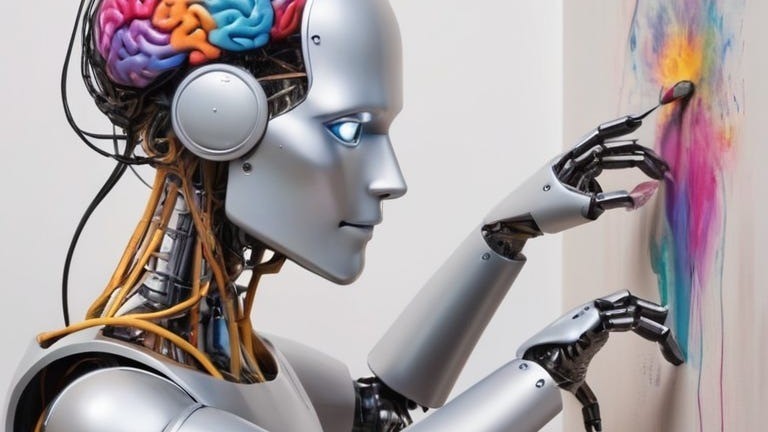
I remember the afternoon I cleared out my spare bedroom and decided to turn it into something different. Not an office. Not a storage room. A space where I could experiment with artificial intelligence without worrying about deadlines, client expectations, or whether the output was any good. I hung a whiteboard, set up an old laptop, and pinned a single note above the monitor that read, “This room is for playing.” That was the beginning of my AI creativity lab, and it changed how I think about both technology and art.
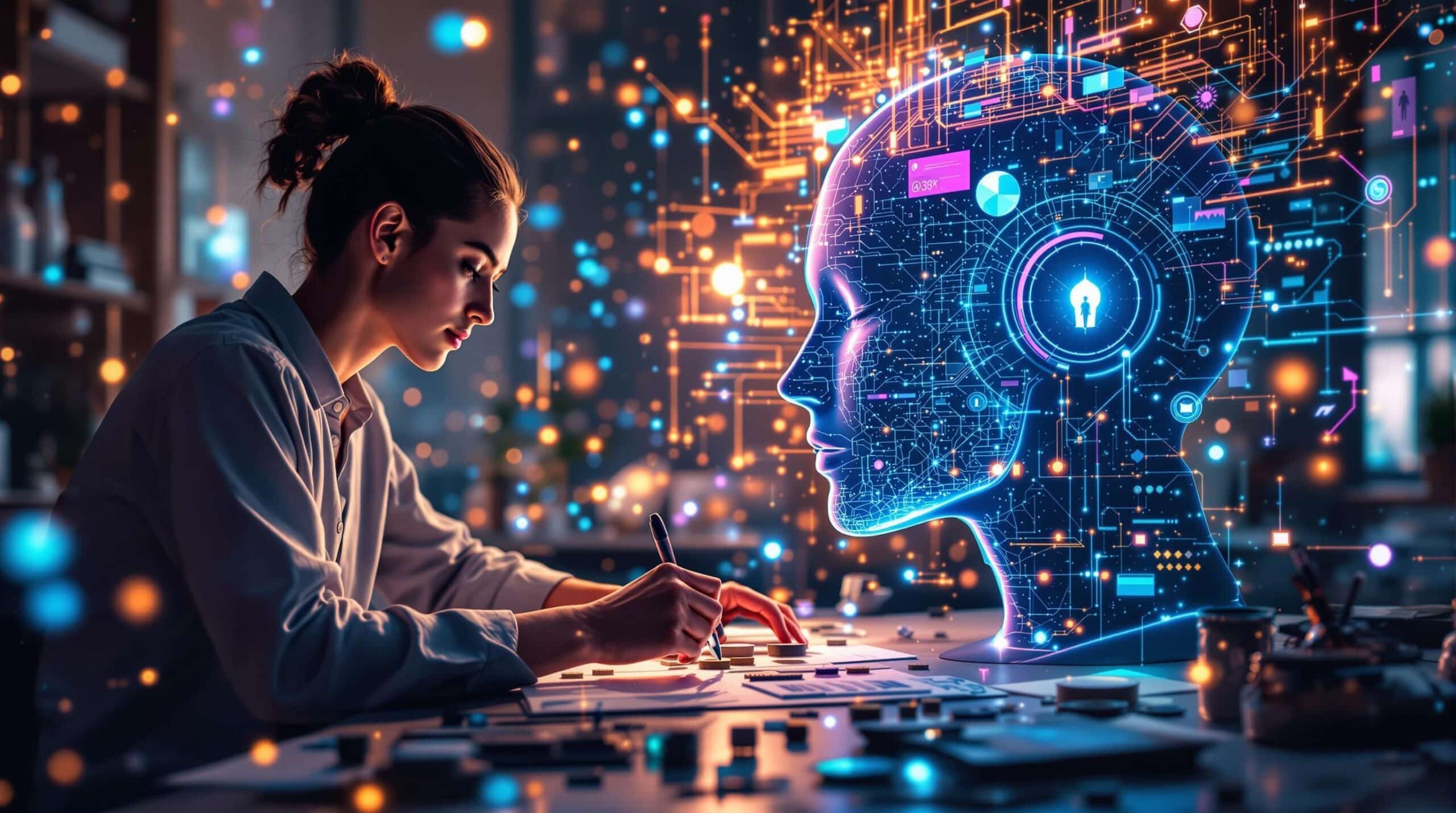
An AI creativity lab is not a physical building with expensive equipment, though it can be. It is a mindset, a workflow, and a dedicated environment where you explore what happens when human imagination meets machine capability. Whether you are a professional artist, a hobbyist, a designer, a writer, or simply someone curious about creative technology, building your own lab can unlock ideas you did not know you had.
This article explores what an AI creativity lab actually is, why it matters, how to build one on any budget, and how to use it to push the boundaries of your creative work. We will cover practical tools, experimental techniques, common pitfalls, and the philosophy that makes this approach different from simply using AI as a productivity shortcut.
What Is an AI Creativity Lab and Why Does It Matter?
The term “lab” suggests science, precision, and experimentation. That is exactly the right frame for thinking about AI and creativity. Most people use AI tools to complete tasks. They generate an image for a blog post, draft an email, or summarize a report. An AI creativity lab flips that relationship. The goal is not completion. It is discovery.
I first understood this distinction while watching a digital artist friend work. She would spend hours in what she called her “generative playground,” feeding strange prompts into an image model, iterating on unexpected results, and saving outputs that she might never use in a final piece. She was not producing. She was exploring. Some of her most original work came from accidents she discovered during those sessions.
An AI creativity lab matters because creativity thrives in low-stakes environments. When you remove the pressure to produce something polished, your mind relaxes enough to make unexpected connections. AI accelerates that process by generating variations faster than any human could, surfacing visual and conceptual combinations you might never have imagined.
Designing Your Physical and Digital Lab Space
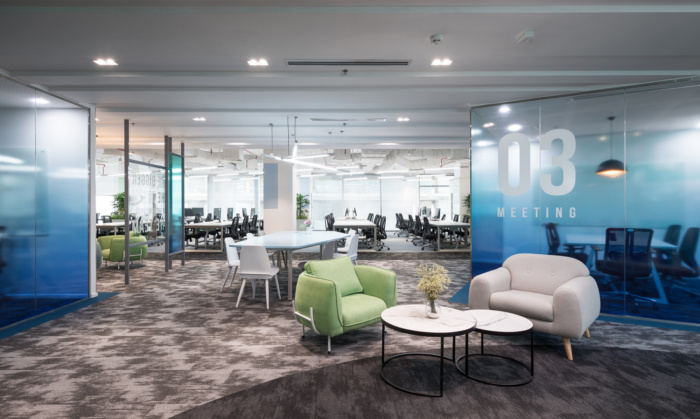
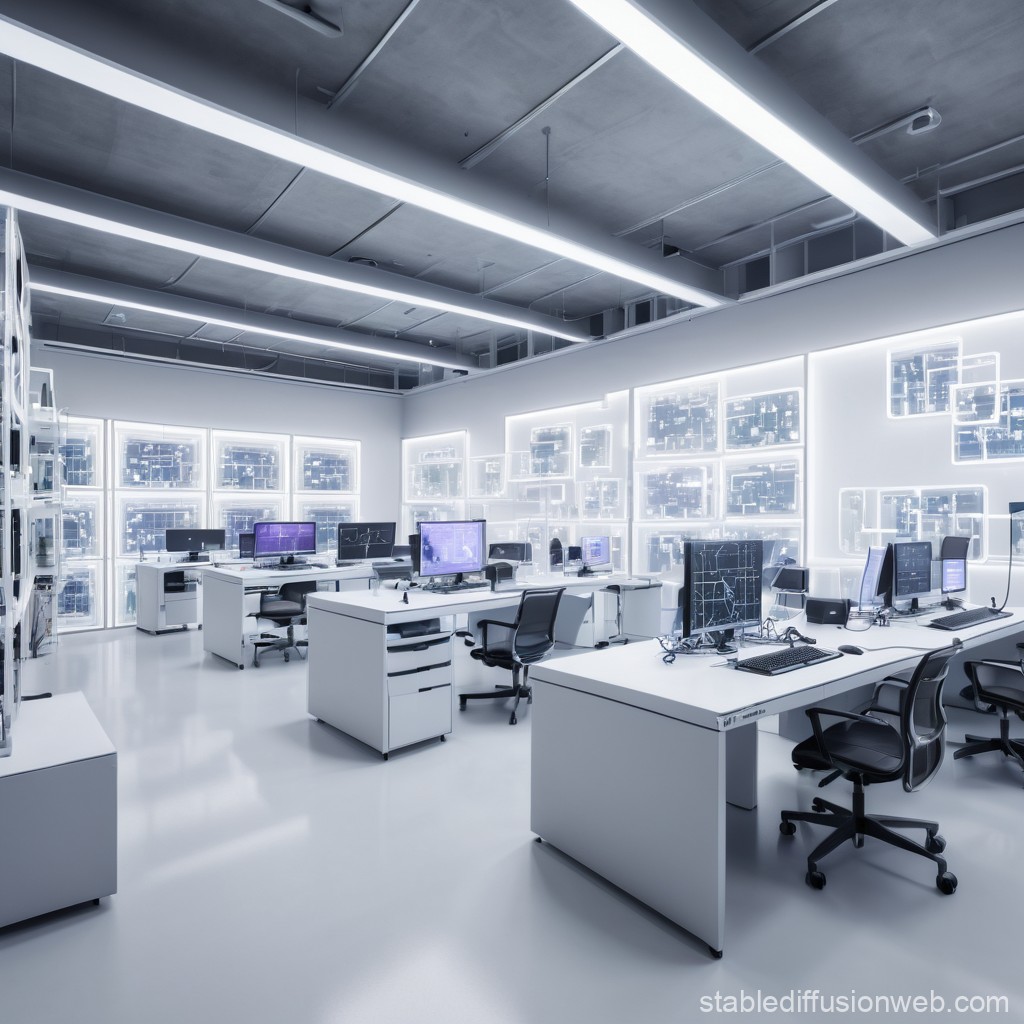
You do not need a dedicated room to build an AI creativity lab, though physical space helps. What you need is intentionality. Every element of your environment should signal to your brain that this is a place for exploration, not execution.
The Physical Environment
If you have a spare corner, desk, or even a folding table, start there. The key elements are comfort, minimal distraction, and visual inspiration. I keep a small corkboard near my lab station covered with printed AI outputs, color swatches, and handwritten questions. The clutter of ideas reminds me that this space is for thinking, not finishing.
Lighting matters more than you might expect. Natural light supports creative thinking, while adjustable task lighting helps when you are examining details on a screen. Some people add plants, ambient music, or even scent diffusers to create a sensory environment that feels different from their regular workspace.
The Digital Environment
Your digital lab is equally important. Create a dedicated folder or cloud workspace for experiments. Organize it loosely. The goal is not perfect taxonomy. It is easy retrieval when you want to revisit an idea. I use a simple structure with folders for images, text experiments, audio clips, and reference materials.
Consider setting up a separate browser profile or user account for your lab work. This keeps your creative bookmarks, history, and tools separate from your everyday browsing, reducing the temptation to check email or social media.
Essential Tools for Your AI Creativity Lab
The tools you choose depend on your creative interests, but there are categories worth exploring regardless of your medium.
Generative Image Tools
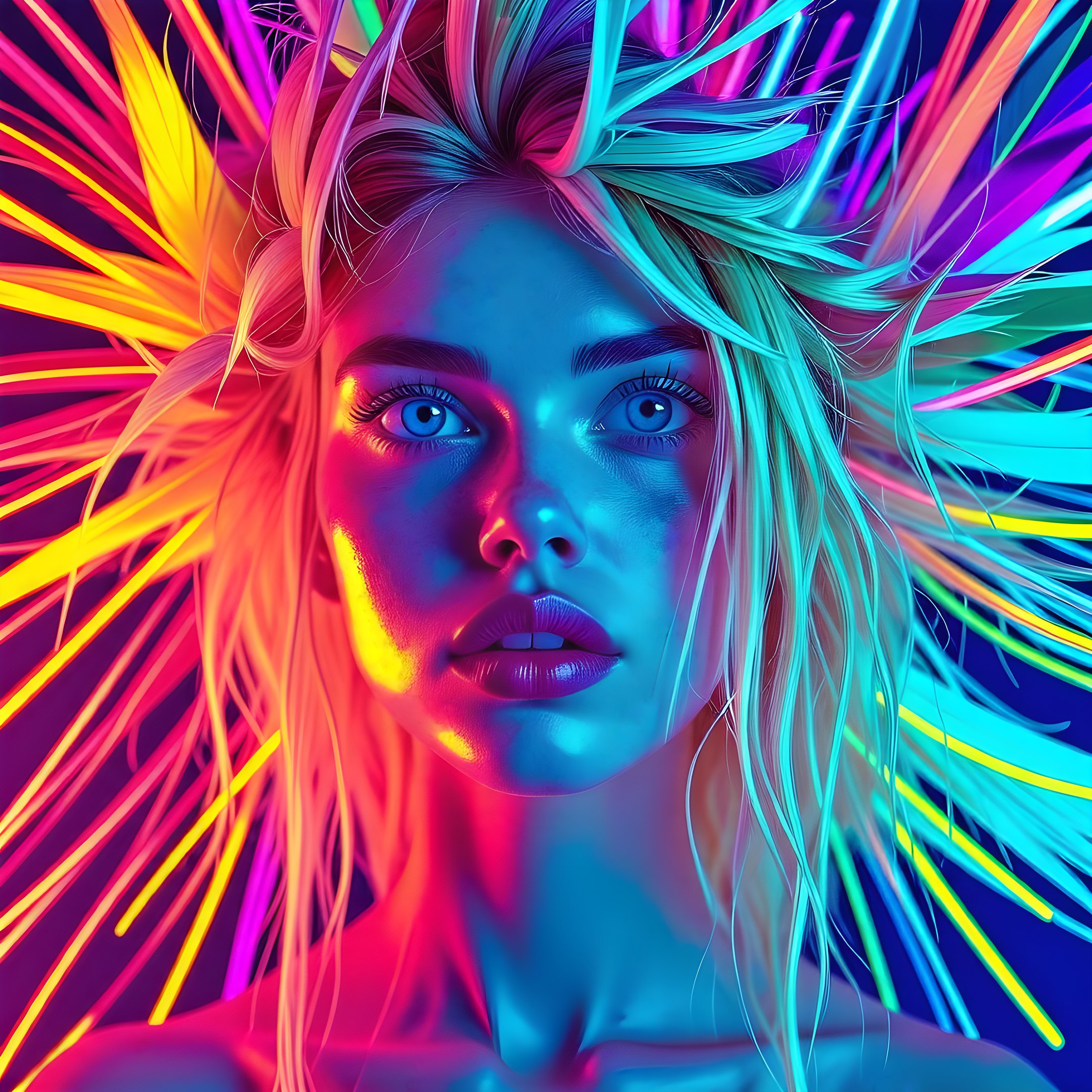
Image generators are the most accessible entry point for many people. Modern tools allow you to create visuals from text descriptions, modify existing images, and blend styles in ways that were impossible a few years ago. The key to lab use is experimentation with prompts. Try describing impossible scenarios, mixing unrelated concepts, or requesting styles that do not exist. The failures are often more interesting than the successes.
Text and Story Generators
For writers and thinkers, large language models offer a playground of narrative possibilities. Use them to generate story openings in the style of your favorite author, explore alternate endings to classic tales, or produce dialogue between historical figures who never met. The value is in the unexpected directions these exercises reveal.
Music and Audio Experimentation
AI music tools have matured significantly. You can generate instrumental tracks, modify vocals, and even create soundscapes from text descriptions. For musicians, these tools offer rapid prototyping. For non-musicians, they provide a way to explore sonic creativity without learning an instrument first.
Code and Interactive Art
If you have any coding inclination, AI-assisted programming tools let you build interactive art, generative animations, and data visualizations with far less technical friction than traditional development. The lab is an ideal place to learn these skills because the stakes are low and the potential for surprise is high.
Experimental Techniques That Unlock Creative Breakthroughs
Having tools is not enough. The real value of an AI creativity lab comes from how you use them. Here are techniques I have developed and borrowed from other creators that consistently produce interesting results.
Prompt Engineering as Creative Writing
Treat your prompts as a form of creative writing themselves. Instead of asking for “a picture of a cat,” try “a cat made of stained glass, sitting on a windowsill during a thunderstorm, painted in the style of a forgotten Renaissance master.” The specificity forces the model to make choices, and those choices reveal the boundaries and biases of the system. Pushing those boundaries is where discovery lives.
Iterative Mutation
Start with a generated output, then feed it back into the system with modifications. Change one word in the prompt. Alter the style reference. Crop the image and ask for an expansion. Each iteration moves you further from the predictable and closer to the unexpected. I have created entire series of artworks using this mutation approach, and the evolution from first to last is often more compelling than any single piece.
Cross-Modal Translation
Take an output from one medium and translate it to another. Generate an image, then write a poem describing it. Create a piece of music, then generate a visual that represents its mood. These translations force you to interpret and reimagine, which is where human creativity asserts itself most strongly.
Constraint-Based Challenges
Paradoxically, constraints often enhance creativity. Set arbitrary rules for your lab sessions. Only use prompts under ten words. Generate images using only colors that start with the letter B. Write stories where every sentence must contain a number. The constraints force your brain to solve problems, and AI becomes a collaborator in that problem-solving rather than a replacement for it.
Building a Creative Routine Around Your Lab
A lab without regular use is just a room with a computer. The most successful creators I know treat their AI lab time as sacred, non-negotiable appointments with themselves.
Start Small and Consistent
Fifteen minutes of focused experimentation is more valuable than a three-hour marathon you only do once a month. I began with twenty-minute sessions every morning before checking email. That small commitment built a habit that now feels as natural as brushing my teeth.
Document Everything
Keep a lab journal. It can be digital or physical. Record your prompts, your observations, and your emotional reactions to outputs. Over time, this documentation reveals patterns in your creative thinking and helps you refine your approach. I often revisit journal entries from months ago and find ideas I had completely forgotten.
Share Selectively
Not everything from the lab needs to be public. In fact, keeping some work private preserves the low-stakes feeling that makes the lab valuable. However, sharing selected experiments with a trusted community can provide feedback, validation, and new perspectives. I have a small group of fellow creators with whom I share weekly lab outputs. Their reactions often spark my next round of experiments.
Embrace the Ugly
The lab is where bad work happens. Embrace it. Some of my most instructive sessions produced outputs that were technically flawed, conceptually bizarre, or simply unappealing. Those failures taught me more about the tools and my own taste than any polished success.

Common Mistakes That Kill Creative Exploration
Even with the best intentions, it is easy to turn your AI creativity lab into just another production pipeline. Here are the traps to avoid.
Chasing Perfection
If you find yourself regenerating the same prompt twenty times to get the “perfect” result, you have left the lab and entered the factory. Perfectionism is the enemy of experimentation. Set a limit on iterations and move on.
Copying Trends
It is tempting to replicate the styles and prompts that are popular online. While this can be a useful learning exercise, it should not dominate your lab time. The goal is to develop your own voice, not to become proficient at producing what everyone else is already making.
Neglecting the Human Element
AI can generate, but it cannot feel. The most compelling creative work emerges when human emotion, memory, and intention intersect with machine capability. If your lab sessions feel hollow, it may be because you are relying too heavily on the tool and not enough on your own inner life.
Forgetting to Step Away
Screen fatigue is real. Some of my best lab insights have come during walks, showers, or conversations that happened after I closed the laptop. Build downtime into your creative process. The AI generates quickly, but your brain needs time to process and synthesize.
From Lab to World: Sharing Your Creative Work
Eventually, some of your experiments will want to leave the lab. Transitioning from exploration to presentation requires a shift in mindset, but it does not have to mean the end of playfulness.
Curating Your Experiments
Not every output deserves an audience. Develop the skill of curating your own work. Which pieces surprise you even after repeated viewing? Which ones evoke an emotional response? Those are the candidates for sharing.
Contextualizing Your Process
When you share AI-assisted work, consider sharing some of the process too. The prompt, the iterations, the dead ends. This transparency builds trust with your audience and demystifies the technology. It also reinforces that the human curator is an essential part of the creative equation.
Finding Your Platforms
Different creative communities gather in different spaces. Visual artists might find audiences on portfolio sites or social platforms. Writers might share on literary blogs or newsletters. Musicians might release on streaming platforms or SoundCloud. Choose spaces that align with your goals and values.
Maintaining the Lab Spirit
Even when producing work for external audiences, try to preserve some of the lab’s playful energy. Deadlines and expectations are real, but a portion of your creative practice should always remain exploratory. That is where your next breakthrough lives.
Frequently Asked Questions
Do I need expensive equipment to start an AI creativity lab?
Absolutely not. Many powerful AI tools run in a web browser on a basic laptop or even a tablet. Your investment is primarily time and attention, not hardware. As you grow, you may want better monitors or faster machines, but they are not prerequisites.
How is an AI creativity lab different from just using AI for work?
The difference is intention and pressure. Work AI is goal-oriented and optimized for efficiency. Lab AI is process-oriented and optimized for discovery. The same tools can serve both purposes, but the mindset determines the outcome.
Can non-artists benefit from an AI creativity lab?
Yes. Creativity is not limited to traditional artists. Anyone who solves problems, communicates ideas, or enjoys making things can benefit from structured experimentation. Teachers, entrepreneurs, scientists, and parents have all found value in this approach.
How do I avoid becoming too dependent on AI for creativity?
Use the lab to explore, but also cultivate non-AI creative practices. Draw by hand. Write in a notebook. Play an acoustic instrument. These analog practices keep your creative muscles balanced and ensure that AI remains a tool rather than a crutch.
What if I run out of ideas for experiments?
Creative blocks are normal. When they happen, try constraint-based challenges, collaborate with others, or study work outside your usual interests. Museums, nature, music, and conversations are all fuel for the lab. The ideas will return.
Final Thoughts
My spare bedroom lab has evolved since that first afternoon. The whiteboard is covered in layers of erased and rewritten ideas. The laptop has been upgraded. The pinned note still hangs above the monitor, slightly faded but still legible. “This room is for playing.”
That simple principle has guided me through hundreds of experiments, some successful and many not. It has taught me that artificial intelligence is not a threat to human creativity, nor is it a magic solution. It is a medium. Like paint, clay, or words, it responds to the intention and skill of the person wielding it.
An AI creativity lab gives you permission to approach this medium without the pressure of production. It is a space where accidents become discoveries, where constraints spark innovation, and where the boundary between human and machine creativity becomes not a wall but a conversation.
If you have been using AI only to get things done, consider building a lab of your own. It does not require much. A corner, a screen, and a willingness to play. The discoveries you make there may not show up in your work immediately, but they will show up in your thinking, your confidence, and your capacity to create something genuinely new.
The future of creativity belongs not to those who use AI the most efficiently, but to those who use it the most imaginatively. Your lab is where that imagination gets its practice.