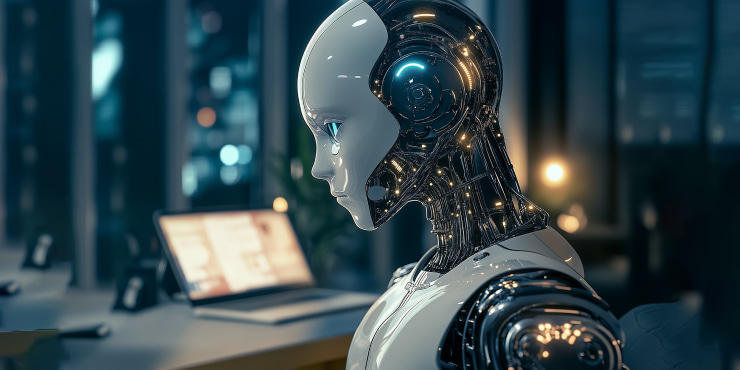
I remember the morning my smart thermostat learned that I prefer the bedroom cooler on weekdays and warmer on weekends. It was a small thing, barely noticeable. But it was the first time I felt like a piece of technology truly understood me, not because I had programmed it explicitly, but because it had observed my patterns and adapted. That moment marked the beginning of a quiet revolution in my daily life, one that has since expanded into nearly every corner of my home, my health, my schedule, and even my shopping habits.
Artificial intelligence is no longer confined to laboratories, corporate boardrooms, or science fiction movies. It has become an invisible companion in our daily lives, handling tasks we barely notice, anticipating needs we have not yet expressed, and creating space for the things that actually matter. The transformation is subtle but profound. It is not about robots taking over. It is about small, intelligent interventions that make ordinary days run more smoothly.
This article explores how AI is enhancing daily life across the areas we all share. From the moment we wake up to the time we go to sleep, from our kitchens to our commutes, from our fitness routines to our family schedules. Whether you are a tech enthusiast or a cautious observer, you will find practical insights here about how AI can support a more balanced, efficient, and enjoyable everyday experience.
The AI-Powered Morning: Starting Your Day With Intention
Mornings set the tone for everything that follows. Yet for many people, the first hours of the day are a scramble of alarms, news feeds, weather checks, and calendar reviews. AI is reshaping this experience by consolidating information, automating decisions, and creating a calmer start.
Intelligent Alarm and Sleep Optimization
Modern sleep trackers use AI to analyze sleep cycles and wake you during lighter sleep phases, which can help you feel more refreshed. These devices monitor heart rate, movement, and breathing patterns to build a personalized picture of your sleep quality. Over time, they can suggest adjustments to bedtime, room temperature, or evening habits based on what actually improves your rest.
I started using a sleep AI assistant six months ago. It noticed that I slept poorly on nights when I worked late and suggested a wind-down reminder at nine o’clock. The improvement was gradual but real. I did not need to become a sleep expert. I just needed a system that paid attention when I was too busy to notice.
Personalized Morning Briefings
AI personal assistants can now generate morning briefings that combine your calendar, weather, traffic, news interests, and even reminders about birthdays or anniversaries. Instead of checking five different apps, you receive a single, spoken or written summary tailored to your priorities. The best implementations learn which information you actually use and refine their briefings over time.
Automated Home Preparation
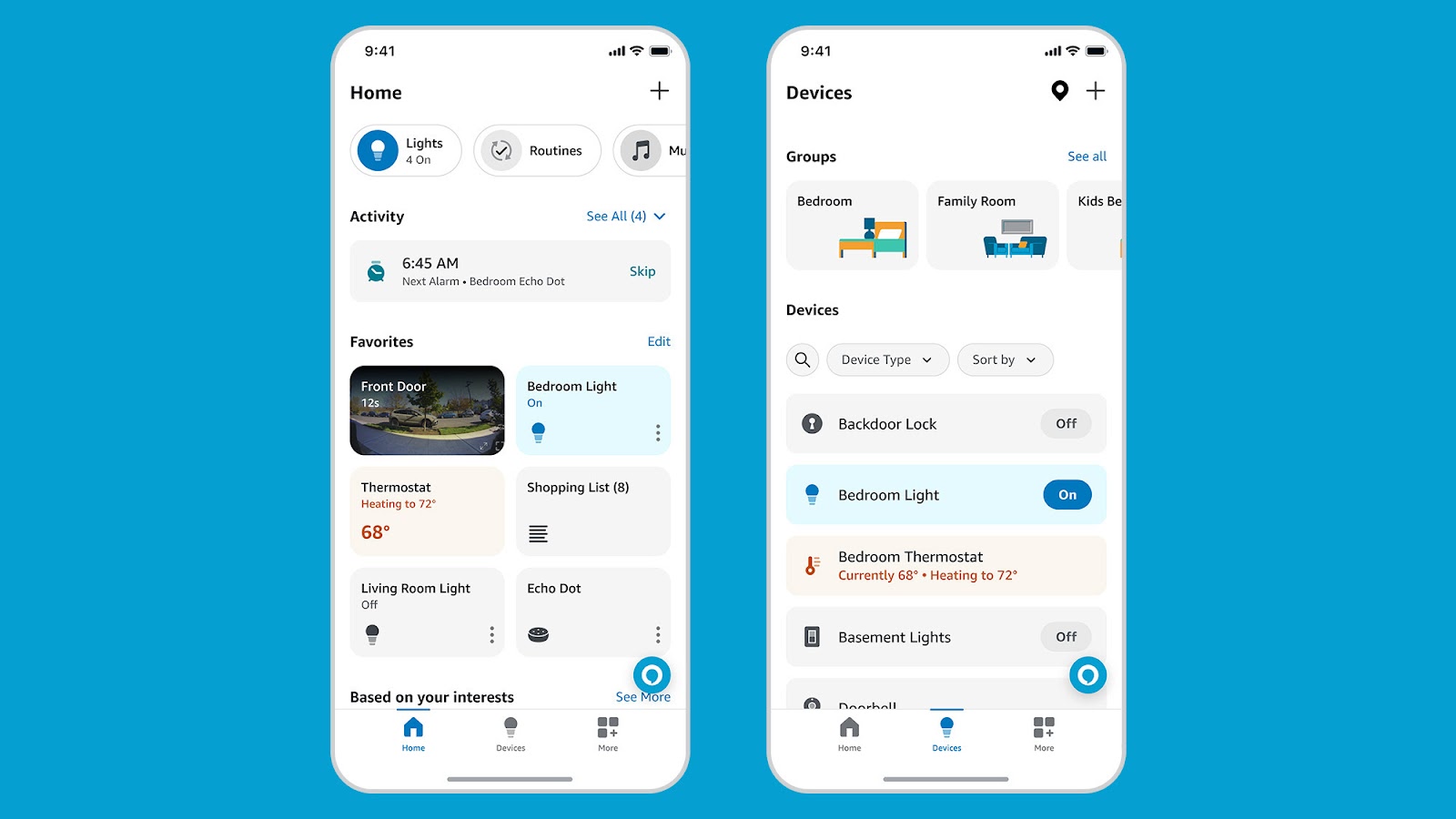
Smart home systems with AI can prepare your environment before you even get out of bed. Lights gradually brighten to simulate sunrise. Coffee makers start brewing based on your wake time. Blinds open to let in natural light. The thermostat adjusts to your preferred morning temperature. None of these actions require your attention. They simply happen, creating a seamless transition from sleep to wakefulness.

AI in the Kitchen: Smarter Cooking and Easier Meals
Food is one of the most personal and frequent parts of daily life. AI is entering the kitchen not to replace the joy of cooking, but to remove the friction that often surrounds it.
Smart Recipe Recommendations
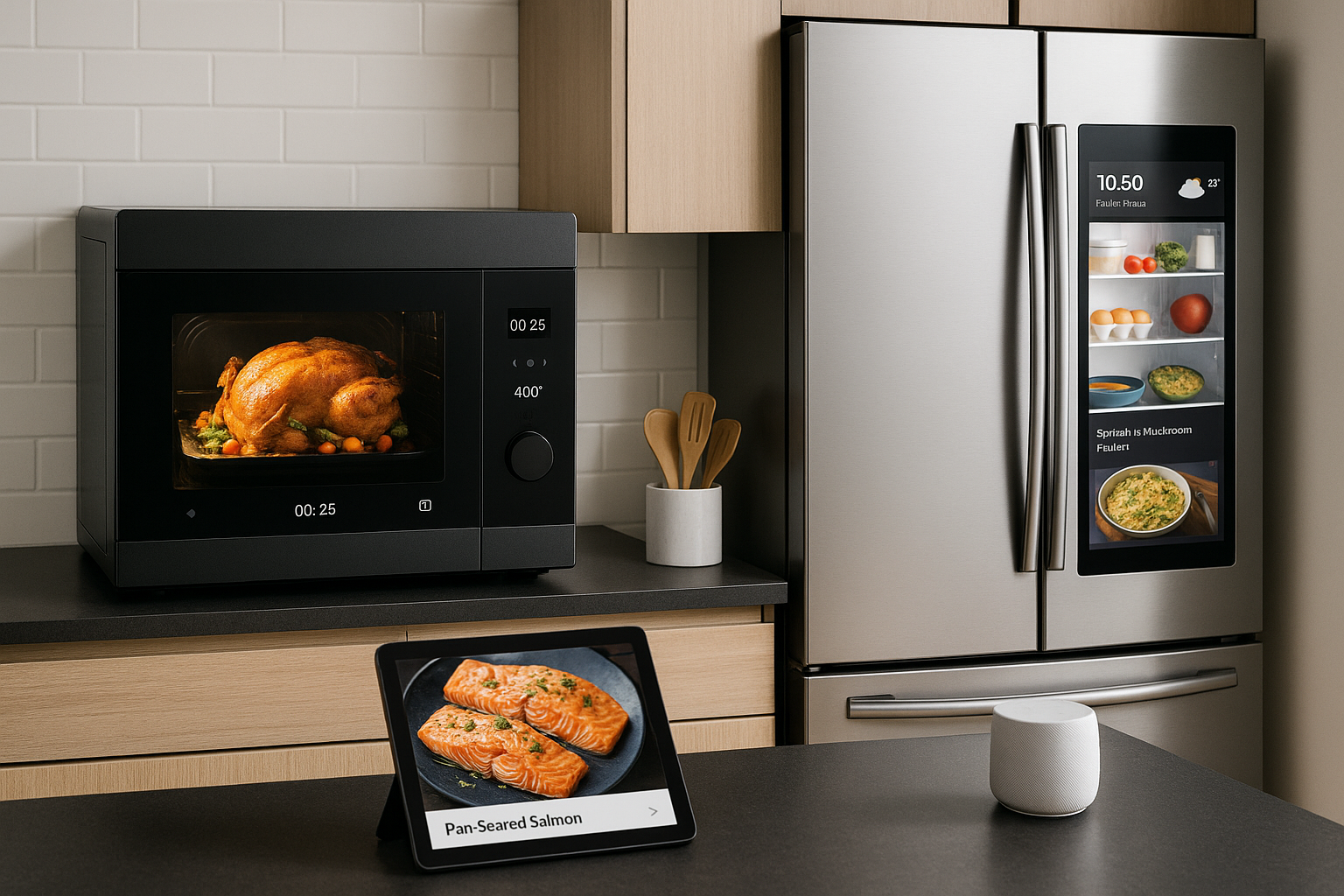
AI-powered cooking apps can suggest meals based on what is already in your refrigerator, your dietary preferences, your past cooking history, and even how much time you have available. Some systems can scan pantry shelves through smart cameras and identify ingredients that need to be used before they expire. This reduces food waste and decision fatigue simultaneously.
I have a friend who used to dread meal planning. She would stare into her fridge every evening, uninspired and overwhelmed. After adopting an AI meal planner, she now receives weekly suggestions that match her family’s tastes and her available ingredients. She still cooks. She just no longer wastes mental energy deciding what to make.
Intelligent Cooking Appliances
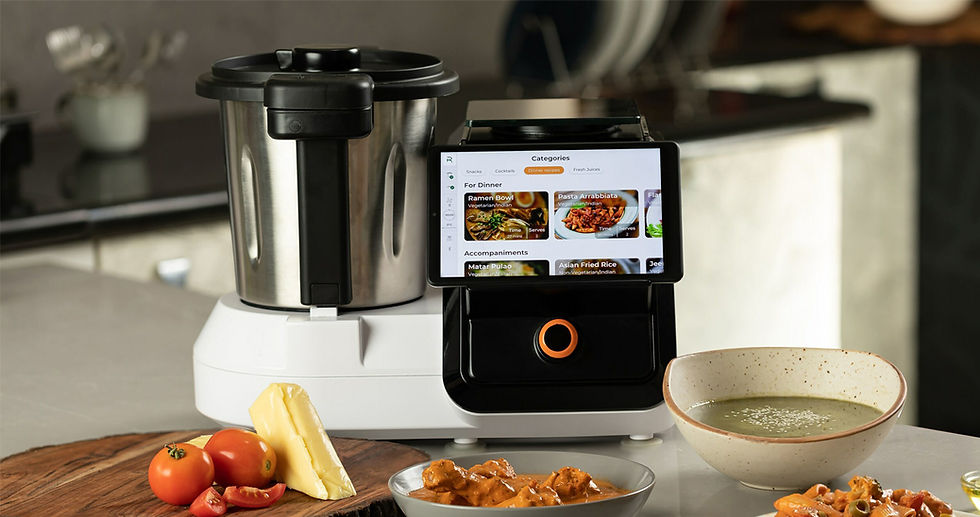
Smart ovens, multicookers, and refrigerators are becoming increasingly capable. Some can recognize the food you place inside and suggest optimal cooking settings. Others can adjust temperature and timing in real time based on internal sensors. A smart refrigerator might track expiration dates, suggest recipes, and even create shopping lists automatically when supplies run low.
These appliances do not cook for you. They remove the guesswork that leads to overcooked chicken or underbaked bread. For busy parents and working professionals, that reliability can mean the difference between a home-cooked meal and another night of takeout.
Health and Wellness: AI as a Daily Companion
Maintaining health is a daily practice, not a one-time event. AI is making that practice more personalized, consistent, and responsive.
Wearable Health Monitoring
Fitness trackers and smartwatches have evolved far beyond step counting. Modern wearables use AI to detect irregular heart rhythms, monitor blood oxygen levels, track stress through heart rate variability, and even analyze sleep quality in detail. Some can identify patterns that suggest you are getting sick before you feel symptoms yourself.
I wore a fitness tracker for a year before I noticed its most valuable feature. It was not the calorie counting or the workout tracking. It was the gentle reminder to breathe when my stress levels spiked. In a busy day, that small nudge often prevented tension from escalating into a headache or poor decision.
Personalized Fitness Coaching
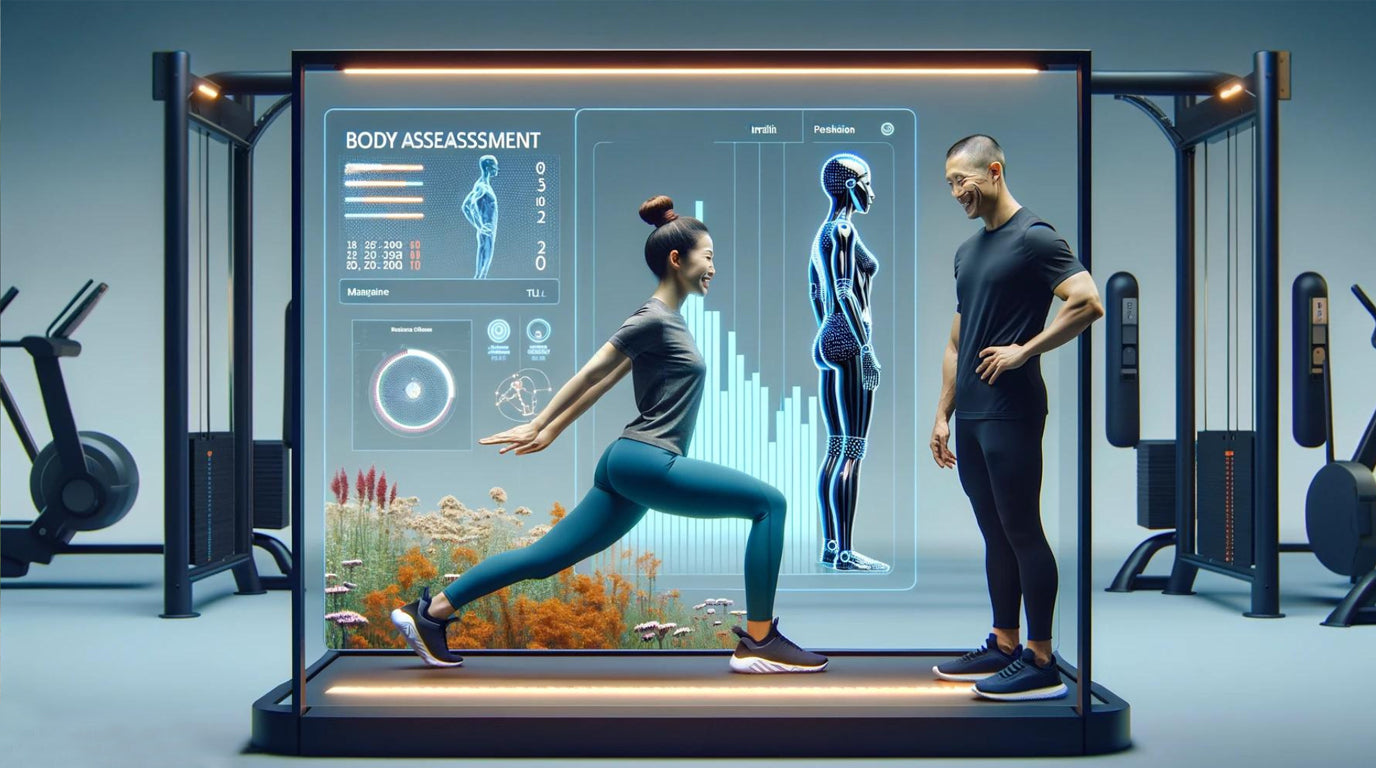
AI fitness apps can design workout programs that adapt to your progress, adjust for injuries, and accommodate your available equipment and time. Some use computer vision to analyze your form through a smartphone camera, providing real-time corrections that reduce injury risk and improve effectiveness. The experience is not identical to a human personal trainer, but it is far more accessible and affordable.
Mental Wellness Support
AI-powered meditation and mental health apps offer guided sessions, mood tracking, and even conversational support for managing anxiety and stress. While these tools cannot replace professional therapy for serious conditions, they can help many people build consistent wellness habits and recognize when they might need additional help.


Family and Household Management: Taming the Chaos
Running a household involves an endless stream of small decisions and coordination. AI is increasingly handling the logistics so families can focus on being together.
Smart Scheduling and Coordination
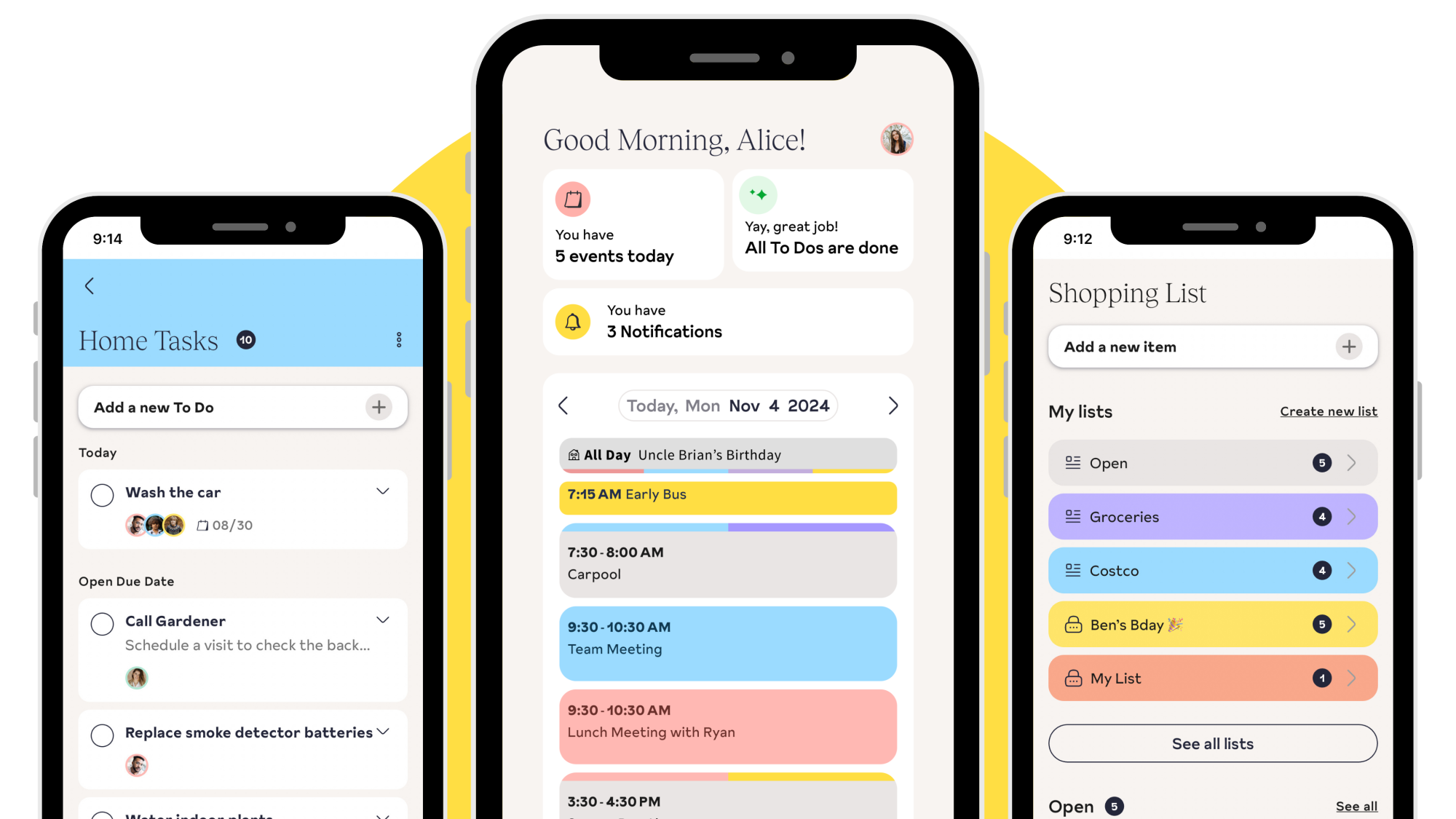
Family scheduling apps use AI to sync calendars, suggest optimal times for shared activities, and even account for travel time between events. Some can parse natural language inputs like “soccer practice on Thursday” and automatically add them to the right calendar with location and reminder details.
I spoke with a father of three who described how an AI family organizer transformed his mornings. Previously, he spent twenty minutes every day texting his spouse about pickup schedules and activity changes. Now the app handles coordination, flags conflicts, and suggests solutions. Those twenty minutes became breakfast time with his kids.
Intelligent Shopping and Inventory
AI shopping assistants can maintain household inventories, generate grocery lists based on meal plans, and even place orders automatically for recurring items. Some systems learn your brand preferences and alert you to sales or substitutions when your usual products are unavailable. The result is fewer forgotten items, fewer emergency store runs, and less mental load.
Home Maintenance Reminders
Smart home systems can track appliance maintenance schedules, filter replacement dates, and seasonal tasks. Instead of relying on memory or sticky notes, you receive timely reminders based on actual usage patterns. This proactive approach often prevents the costly repairs that result from neglected maintenance.

Commute and Transportation: Smarter Daily Travel
For many people, commuting is the most stressful and time-consuming part of the day. AI is making it more predictable, efficient, and even pleasant.
Predictive Navigation
Modern navigation apps use AI to analyze real-time traffic, historical patterns, weather conditions, and even event schedules to predict the fastest route before you leave. Some can suggest departure times that minimize travel duration, helping you avoid the worst congestion without requiring constant monitoring.
I used to leave for work at the same time every day, regardless of conditions. After switching to an AI navigation app, I now receive a notification when leaving fifteen minutes earlier or later would save significant time. Over a month, those small adjustments added up to hours of reclaimed life.
Public Transit Optimization
For those who use public transportation, AI-powered transit apps can predict delays, suggest alternative routes, and even estimate crowding levels based on real-time data. This information helps commuters make informed decisions about when to travel and which train or bus to catch.
Electric Vehicle Management
AI plays a growing role in electric vehicle ownership, optimizing charging schedules based on electricity rates, predicting battery health, and planning routes that account for charging station availability. For EV owners, this intelligence removes the range anxiety that once made electric commuting stressful.
Smart Homes: The Living Space That Learns
The smart home concept has matured beyond novelty gadgets into genuinely useful systems that adapt to how people actually live.
Adaptive Climate and Lighting
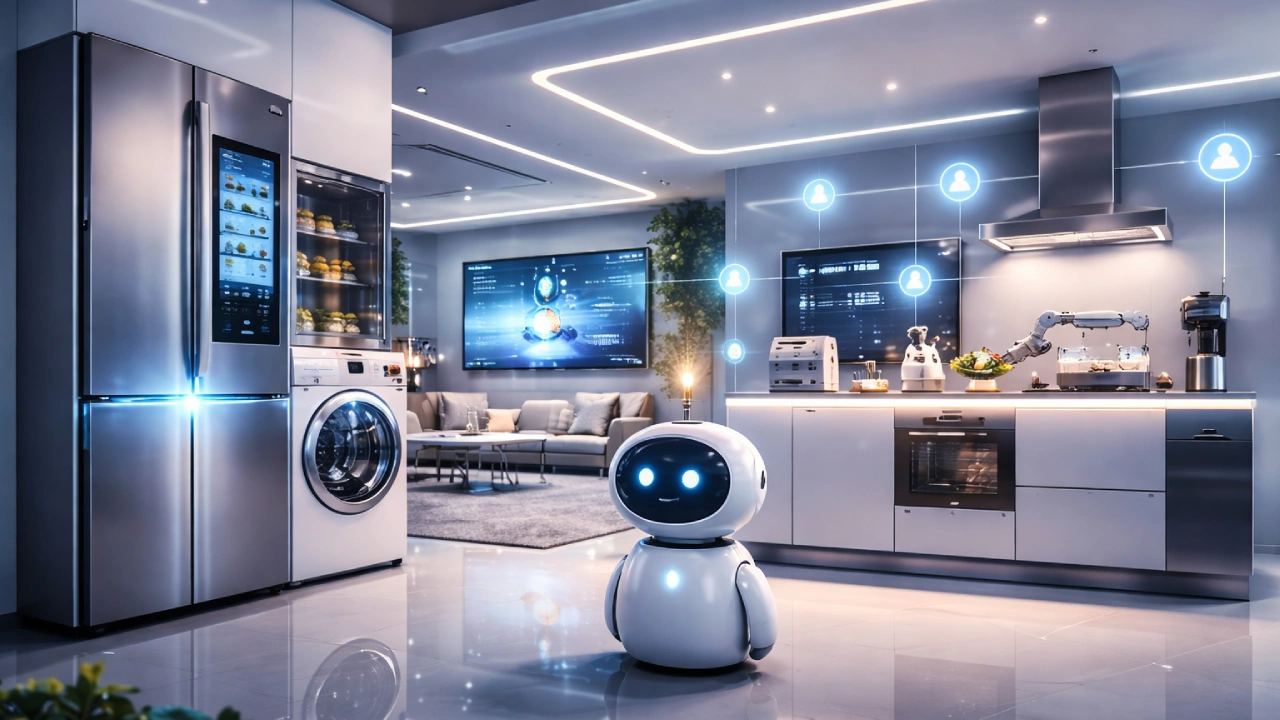
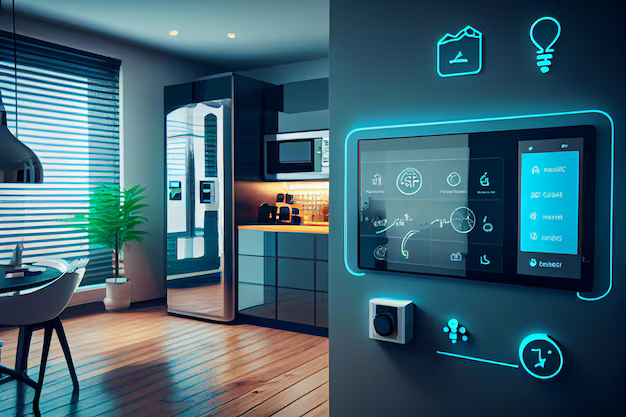
AI-powered home systems learn your preferences and adjust automatically. They can detect when rooms are occupied and adjust temperature and lighting accordingly. Some systems even account for natural light patterns and weather forecasts to optimize energy use without sacrificing comfort.
Security and Peace of Mind
Smart security systems use AI to distinguish between ordinary activity and potential threats. They can recognize family members, detect unusual patterns, and send alerts only when something genuinely requires attention. This reduces false alarms while maintaining vigilance.
Energy Efficiency
AI energy management systems analyze usage patterns and optimize when appliances run, when heating and cooling activate, and how solar energy is stored and used. For environmentally conscious homeowners, this can significantly reduce both carbon footprint and utility bills.
Shopping and Personal Services: AI as a Personal Shopper
Consumer decisions happen constantly, from choosing groceries to selecting gifts. AI is streamlining these choices without removing personal agency.
Personalized Recommendations
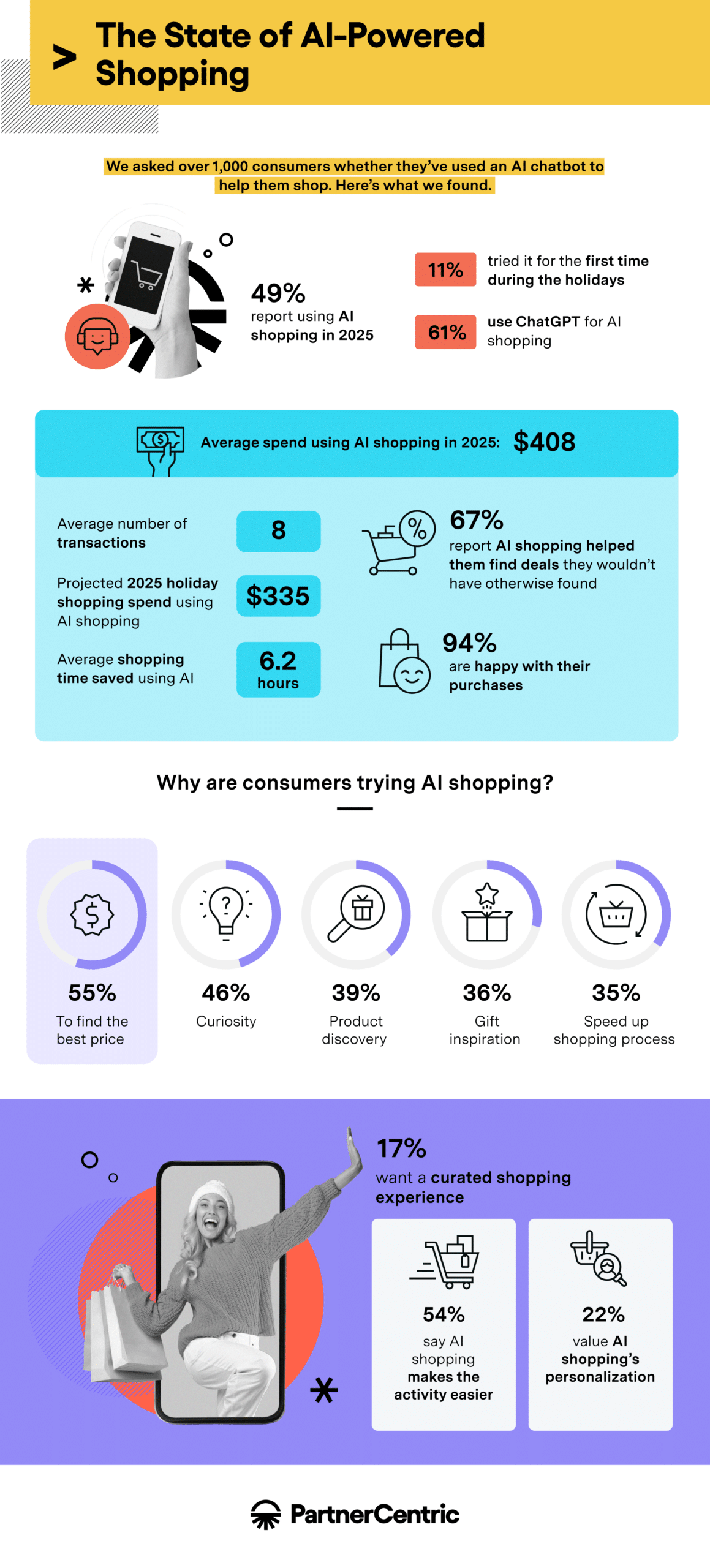
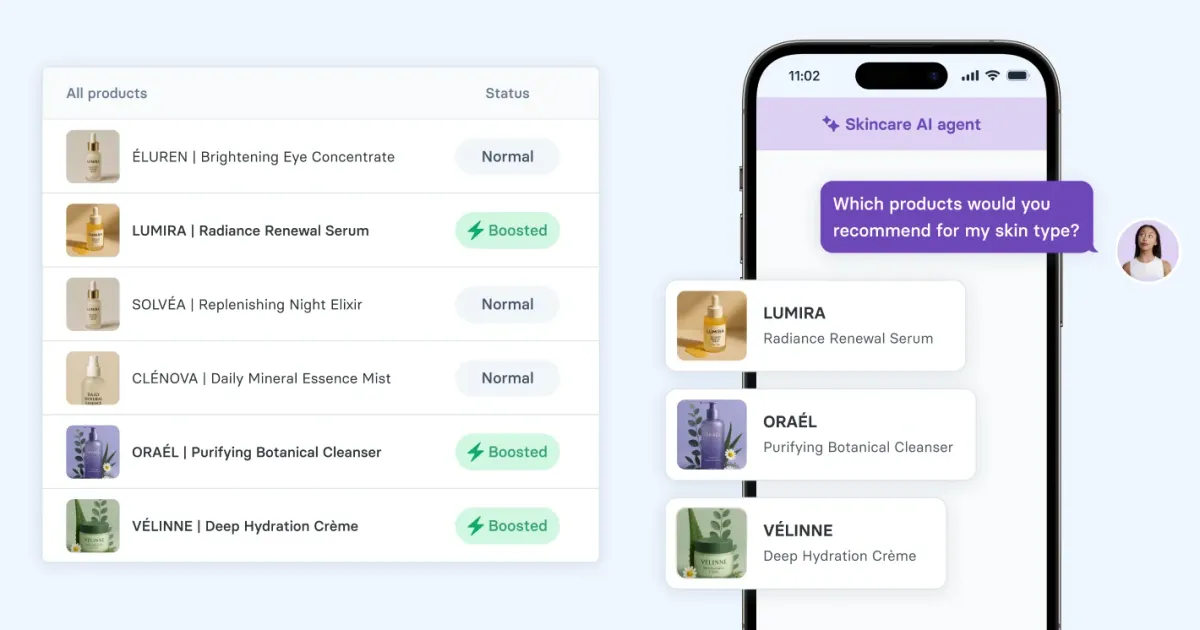
AI recommendation engines have become remarkably sophisticated. They analyze your purchase history, browsing behavior, and even contextual factors like season and occasion to suggest products you are likely to appreciate. The best systems balance personalization with discovery, occasionally suggesting items outside your usual patterns that align with your taste.
I was skeptical of AI shopping recommendations until I received a suggestion for a book by an author I had never heard of, in a genre I rarely explored. It turned out to be one of my favorite reads of the year. The AI had identified a pattern in my preferences that I had not recognized myself.
Price Optimization and Deal Finding
AI tools can monitor prices across retailers, alert you to drops, and even predict the best time to buy based on historical pricing data. For major purchases, this intelligence can save significant money without requiring hours of manual comparison shopping.
Subscription and Service Management
AI assistants can track your subscriptions, identify redundancies, suggest cancellations for unused services, and even negotiate bills on your behalf. This passive management prevents the subscription creep that quietly drains budgets.

Common Mistakes When Integrating AI Into Daily Life
Despite the benefits, it is easy to adopt AI tools in ways that create new problems rather than solving old ones.
Over-Automation and Loss of Agency
When every decision is automated, you can lose touch with your own preferences and rhythms. I once let an AI scheduler control my entire week and found myself doing things that were efficient but not meaningful. The solution is to automate logistics while preserving space for intentional, human-led choices.
Privacy Blind Spots
Many daily life AI tools collect extensive personal data. Smart speakers record conversations. Fitness trackers monitor biometrics. Shopping assistants analyze purchasing behavior. Without reviewing privacy settings and understanding data practices, you may be sharing more than you realize.
Notification Overload
AI tools that constantly alert, remind, and update can become sources of stress themselves. The goal is reduction of mental load, not constant digital engagement. Be selective about which notifications you enable and which you silence.
Dependency on Connectivity
Many AI-enhanced daily life features require internet access. When connectivity fails, so does the system. Maintain offline alternatives for critical functions like security, climate control, and basic scheduling.
Ignoring the Learning Curve
Even intuitive AI tools require some adjustment. Expecting perfection on day one leads to frustration. Give new systems time to learn your patterns before judging their effectiveness.
Practical Tips for Building an AI-Enhanced Daily Routine
If you are interested in integrating AI more thoughtfully into your daily life, here is a practical approach.
Start with your biggest friction point. Identify the part of your day that causes the most stress or wastes the most time. Find one AI tool designed to address that specific problem. Do not try to overhaul everything at once.
Choose tools that integrate with your existing ecosystem. If you use a particular smartphone platform or smart home system, prioritize AI tools that work within that ecosystem. Fragmentation creates its own form of daily friction.
Set boundaries for automation. Decide which decisions you are comfortable delegating to AI and which you want to retain personally. Meal suggestions might be fine. Medical decisions probably are not. Define your line clearly.
Review and adjust monthly. AI tools learn from feedback, but they also drift. Regularly review whether your automated systems are still serving you well. Adjust settings, disable features that annoy you, and explore new capabilities as they emerge.
Preserve analog rituals. Some of the best parts of daily life do not need enhancement. Morning coffee with a paper book. Evening walks without a podcast. Conversations without screens. Use AI to create space for these moments, not to fill them.
Frequently Asked Questions
Is AI in daily life only for tech-savvy people?
Not at all. Many AI-enhanced products are designed for mainstream users with minimal technical knowledge. Smart thermostats, fitness trackers, and meal planning apps often require only basic setup. The intelligence happens behind the scenes.
Will AI make me lazy or dependent on technology?
AI handles routine and logistical tasks, which can free mental energy for more meaningful activities. The risk of dependency exists, but it is manageable through intentional use. Think of AI as a support system, not a replacement for personal initiative.
How do I protect my privacy while using daily life AI tools?
Review privacy settings for every device and app. Understand what data is collected and how it is used. Choose vendors with transparent privacy policies. Use local processing options when available. Regularly audit your connected devices and disable unnecessary features.
Can AI really improve my health and wellness?
AI tools can support health goals by providing data, reminders, and personalized guidance. However, they are not substitutes for medical professionals. Use them to build habits and monitor trends, but consult healthcare providers for diagnosis and treatment.
What is the most impactful AI tool for daily life?
That depends entirely on your lifestyle. For a busy parent, a family scheduling AI might be transformative. For someone with a long commute, predictive navigation could be most valuable. For a health-conscious individual, wearable monitoring might matter most. Match the tool to your actual daily challenges.
Final Thoughts
The AI-enhanced daily life is not a futuristic fantasy. It is happening now, quietly, in millions of homes and routines around the world. The thermostat that learns your preferences. The app that suggests dinner based on what is in your fridge. The watch that reminds you to breathe. The navigation system that saves you from traffic. These are small things, but small things repeated daily shape the texture of our lives.
What I have learned from integrating AI into my own routine is that the technology itself is not the point. The point is what it enables. A calmer morning. A healthier body. More time with family. Less time managing logistics. The best AI does not demand your attention. It creates space for the attention you want to give.
As these tools continue to evolve, the opportunity is not to collect as many as possible, but to choose wisely, implement thoughtfully, and maintain the human judgment that no algorithm can replicate. Your daily life is yours to design. AI can be a powerful assistant in that design, but you remain the architect.
The future of daily life is not about living with machines. It is about living more fully because the machines handle what does not require your heart or your mind. That is the real promise of AI-enhanced living, and it is available to anyone willing to engage with it intentionally.