A while back, I noticed that I was sitting for hours every day—at my desk, on my couch, or during commutes. My energy was low, I felt stiff, and even minor tasks became tiring. I thought I needed hours in the gym, but I quickly discovered that active living isn’t just about formal workouts—it’s about incorporating movement into daily life.
After experimenting with small changes, I learned how to stay active, improve fitness, and boost energy without drastic routines. In this guide, I’ll share practical strategies for body movement and active living that anyone can adopt, regardless of age or fitness level.
Why Active Living Matters
Daily movement has benefits far beyond physical appearance:
-
Improves cardiovascular health
-
Strengthens muscles and joints
-
Enhances mental health and mood
-
Boosts energy and productivity
-
Reduces the risk of chronic diseases
Even small amounts of activity can make a big difference over time.
Everyday Movement Strategies
Here are practical ways to move more without dedicating hours to exercise.
1. Walking as a Foundation
Walking is simple, low-impact, and highly effective.
Tips:
-
Aim for at least 7,000–10,000 steps daily.
-
Take short walking breaks during work hours.
-
Walk or bike for errands instead of driving.
Why it helps: Supports cardiovascular health, improves circulation, and boosts mood.
2. Desk Exercises for Sedentary Jobs
If you spend long hours sitting, try these movements:
-
Neck and shoulder stretches: Reduce stiffness and tension.
-
Seated leg raises: Strengthen lower body muscles.
-
Standing desk intervals: Alternate between sitting and standing.
Tip: Set a timer to remind yourself to stretch every hour.
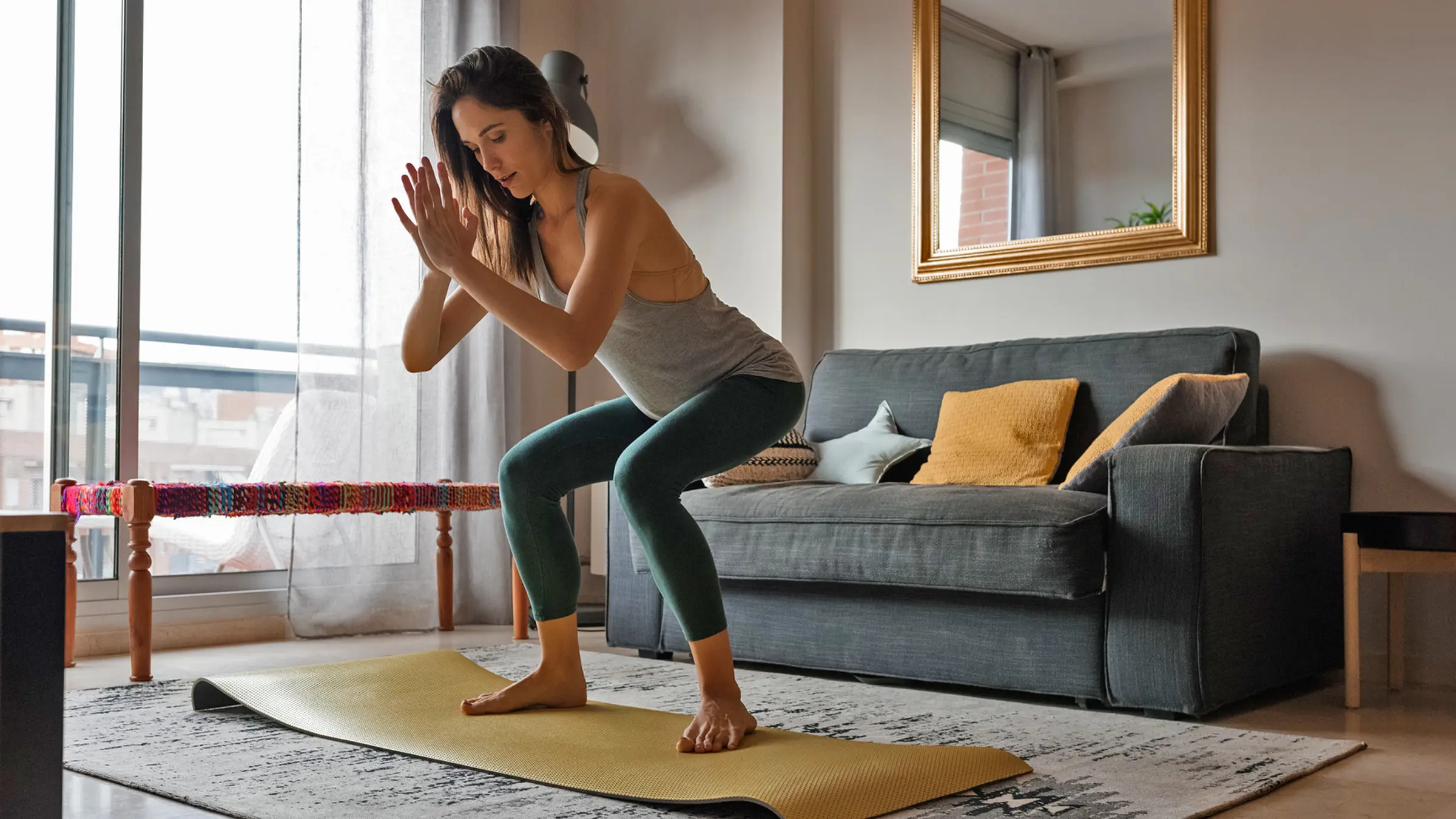
3. Home-Based Workouts
You don’t need a gym to stay fit:
-
Bodyweight exercises: Push-ups, squats, lunges, planks.
-
Resistance bands: Lightweight, portable, and versatile.
-
Online guided sessions: Yoga, Pilates, or HIIT videos.
Why it helps: Builds strength, improves flexibility, and enhances balance.
4. Active Hobbies
Movement can be fun too:
-
Dancing, hiking, or swimming
-
Gardening or home improvement projects
-
Team sports or recreational activities
Tip: Choose activities you enjoy—it’s easier to stay consistent.
5. Incorporate Movement Into Daily Routines
Small changes add up:
-
Take stairs instead of elevators.
-
Stand or walk during phone calls.
-
Park farther from entrances to increase walking distance.
Why it helps: Turns everyday tasks into opportunities for activity.
Practical Tips for Staying Consistent
Consistency matters more than intensity. From my experience:
-
Set achievable goals: Start with 10–15 minutes per day and gradually increase.
-
Track your progress: Use a smartwatch or app to monitor steps and activity.
-
Mix activities: Combine cardio, strength, and flexibility exercises.
-
Buddy system: Exercising with a friend increases accountability.
-
Rest and recovery: Give your body time to recover to prevent injury.
Common Mistakes to Avoid
Even well-intentioned people make these errors:
-
Doing too much too soon, risking injury
-
Ignoring warm-ups and cool-downs
-
Focusing only on cardio and neglecting strength training
-
Sitting for long periods without breaks
-
Relying solely on structured workouts instead of daily movement
FAQs About Active Living & Body Movement
1. How much daily activity do I need?
Aim for at least 150 minutes of moderate activity per week, plus daily movement through walking or light activity.
2. Can short bouts of exercise be effective?
Yes. Even 5–10 minutes of activity throughout the day adds up and improves health.
3. Do I need a gym to stay fit?
No. Home workouts, outdoor activities, and daily movement are sufficient for most people.
4. How do I prevent injury when starting an active routine?
Start slowly, focus on proper form, and include warm-ups and stretches. Gradually increase intensity.
5. How can I stay motivated to move daily?
Set goals, track progress, mix activities, and choose movements you enjoy.
Conclusion: Make Movement a Lifestyle
Active living isn’t about extreme workouts—it’s about consistently incorporating movement into your daily life. Walking, stretching, bodyweight exercises, and active hobbies all contribute to better health, improved mood, and higher energy levels.
Start small, stay consistent, and gradually increase intensity. Over time, these habits create a strong, flexible, and energized body, making daily life easier and more enjoyable.